Undocumented Living : in The Land of The Free
In June 2014, I travelled to Houston, Texas with my 4x5 camera to document the lives of individuals working and building futures in a country shaped by migration. Many of those I met had come from Central and South America - part of a much larger, often unseen population commonly labelled as undocumented immigrants. Despite record deportation figures during that period, it was impossible to ignore the presence of undocumented communities living and working openly across the city. Their stories existed in plain sight, yet largely unheard.
Gaining trust was a challenge. For their safety all participants chose to remain anonymous, concealing their identities and adopting names of their own choosing, this allowed them to speak freely about their experiences without fear of consequence. The five individuals featured in this series were generous, candid, and deeply human in their reflections. Each had made the difficult decision to live outside legal frameworks in pursuit of something fundamental: safety, opportunity, and a future for their families. Their journeys were shaped by forces far beyond their control - violence, political instability, and the pervasive influence of the drug trade in their home regions. This project is a portrait of resilience, dignity, and the quiet realities of lives lived in the margins.
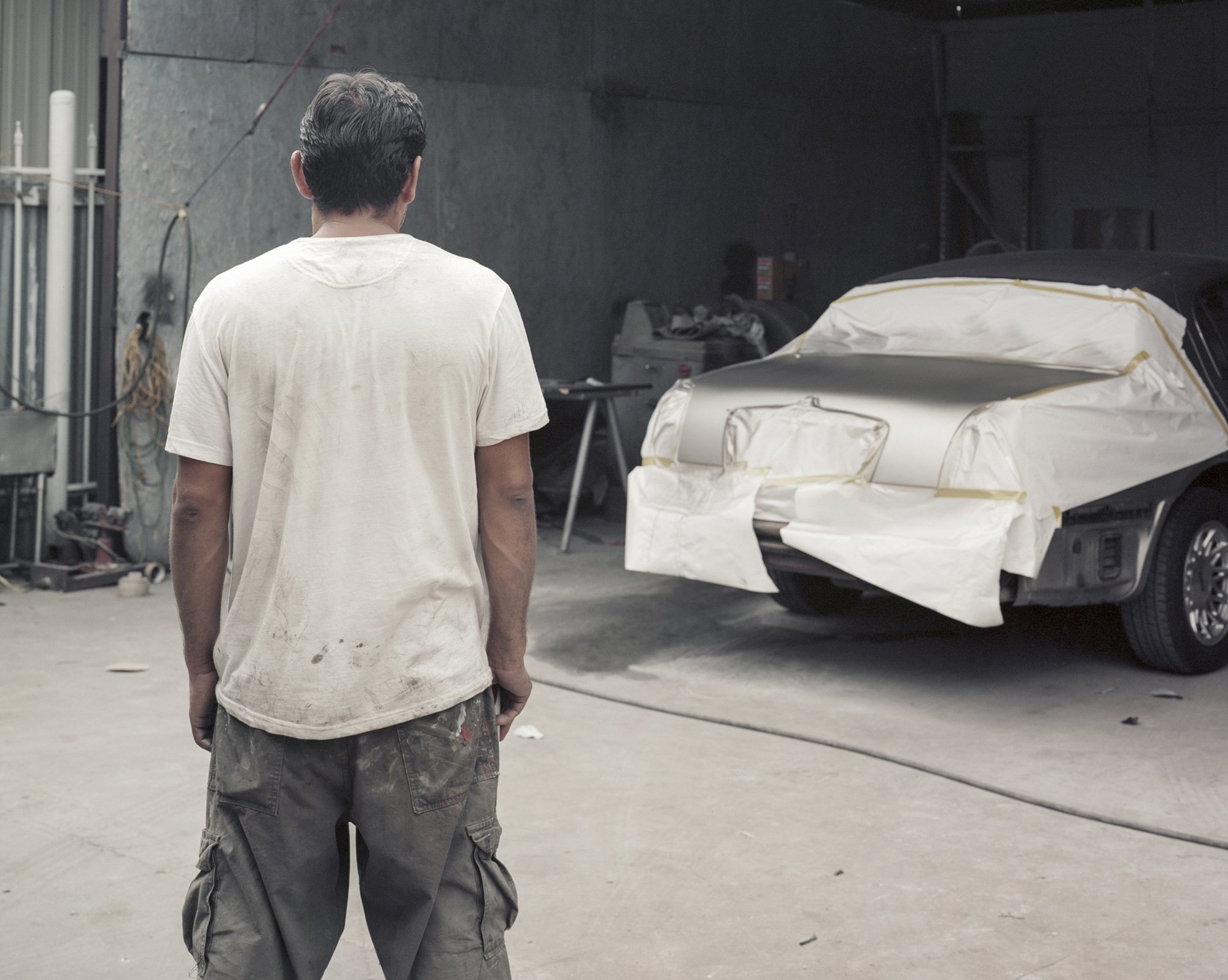
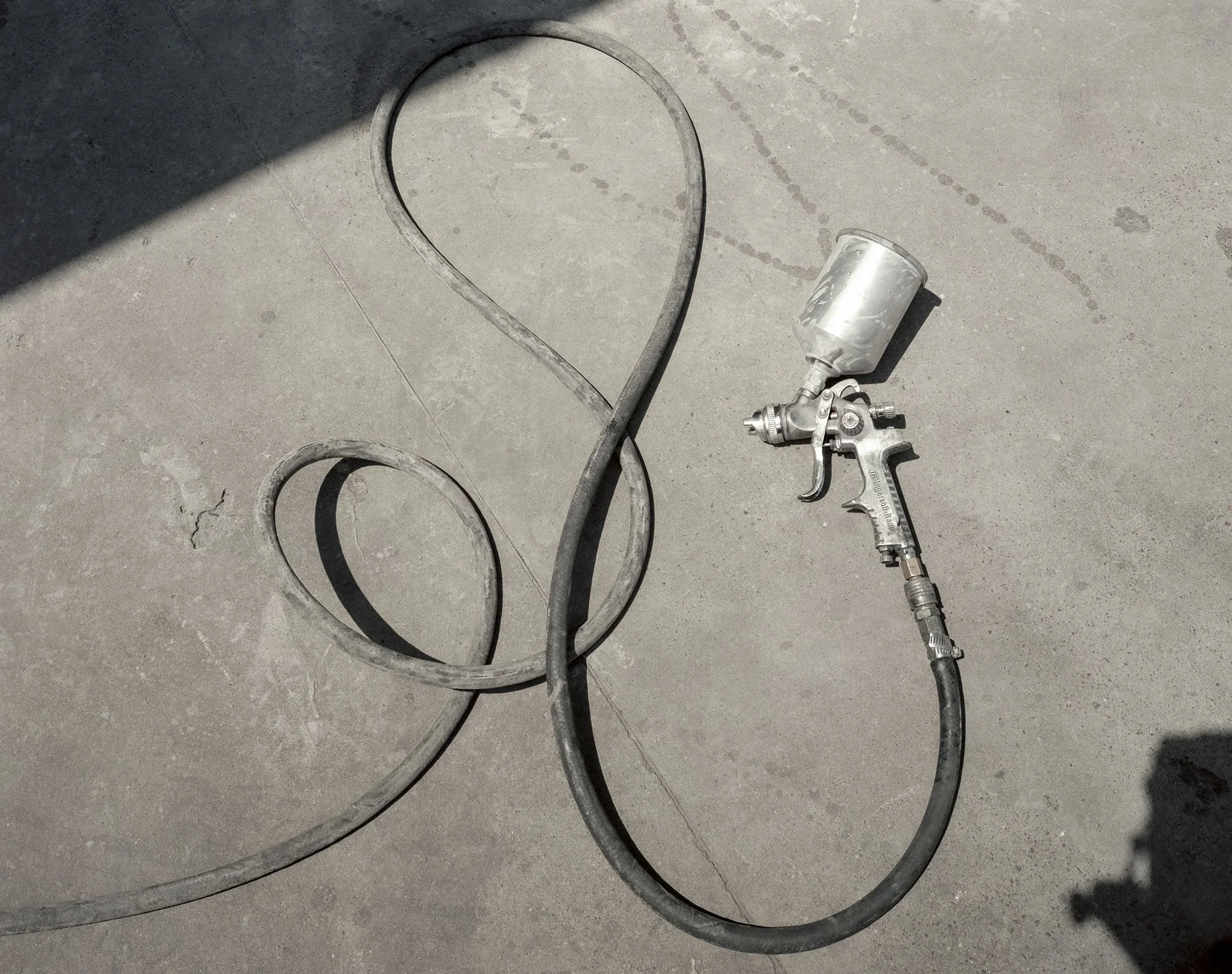
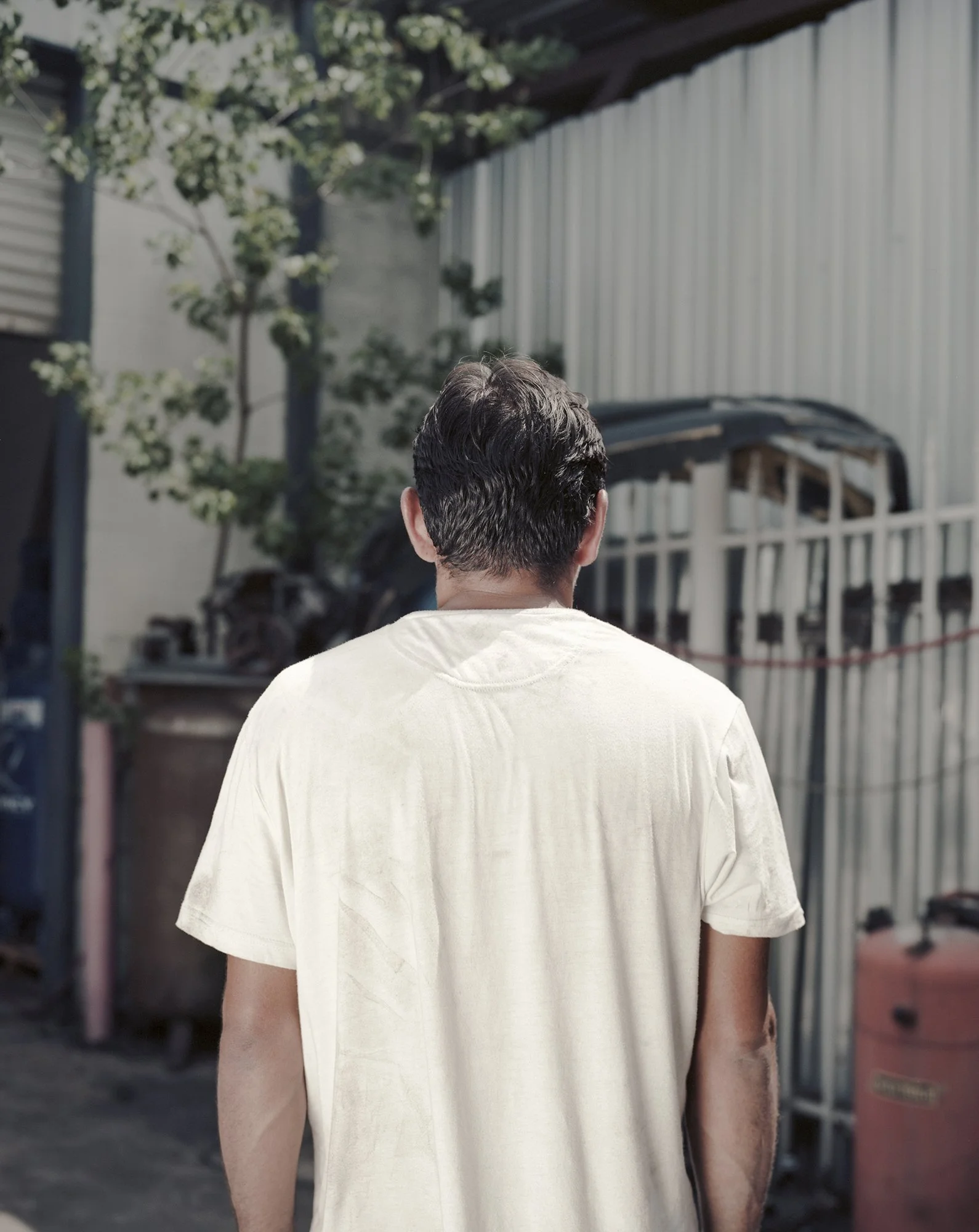
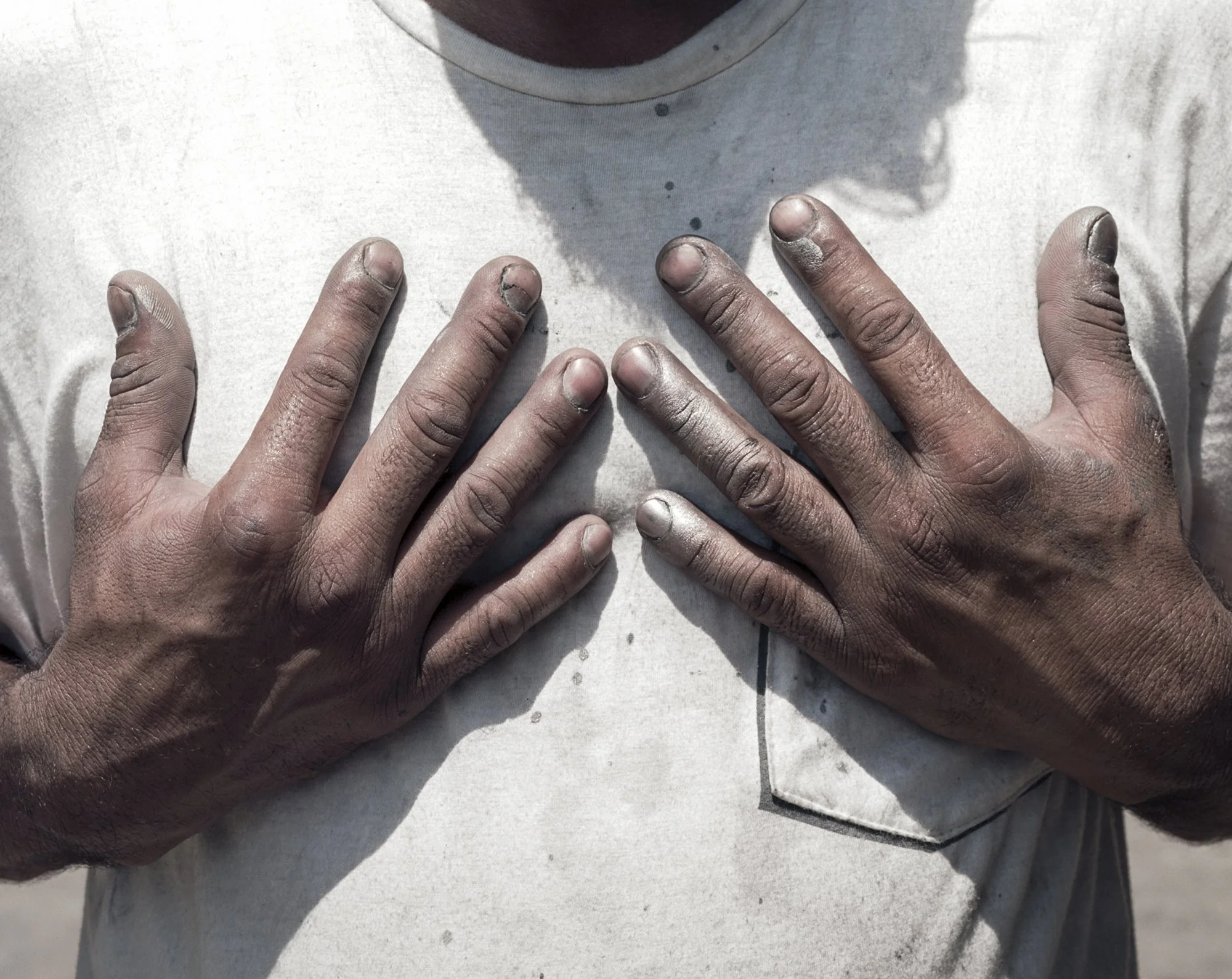
At the time these photographs were made, Norman was twenty-two and worked in a car body shop as a paint sprayer, he had been in the United States for four months.
Over the past decade, he has moved back and forth between Honduras and the United States several times. He has two children in Honduras, and a wife and two more children living in New York. His life stretches across borders, held together by work, movement, and longing. Each crossing has taken a different form, his most recent entry was by plane, travelling on a visa that allowed him to visit his children who have American residency. The first time was far harder, that journey took him over a month to make his way north from Honduras through Mexico, followed by several days crossing into Texas with the help of a coyote. Coyote refers to people smugglers, often connected to organised crime, who guide migrants across the border. Norman paid around a thousand dollars for the crossing.
When I asked why he chose Houston, Norman told me it was partly because his brother lived there and could help him find work, but it was also about geography. Houston sits between his children in Honduras and his family in New York. Being there allows him to hold both parts of his life, even if only just.
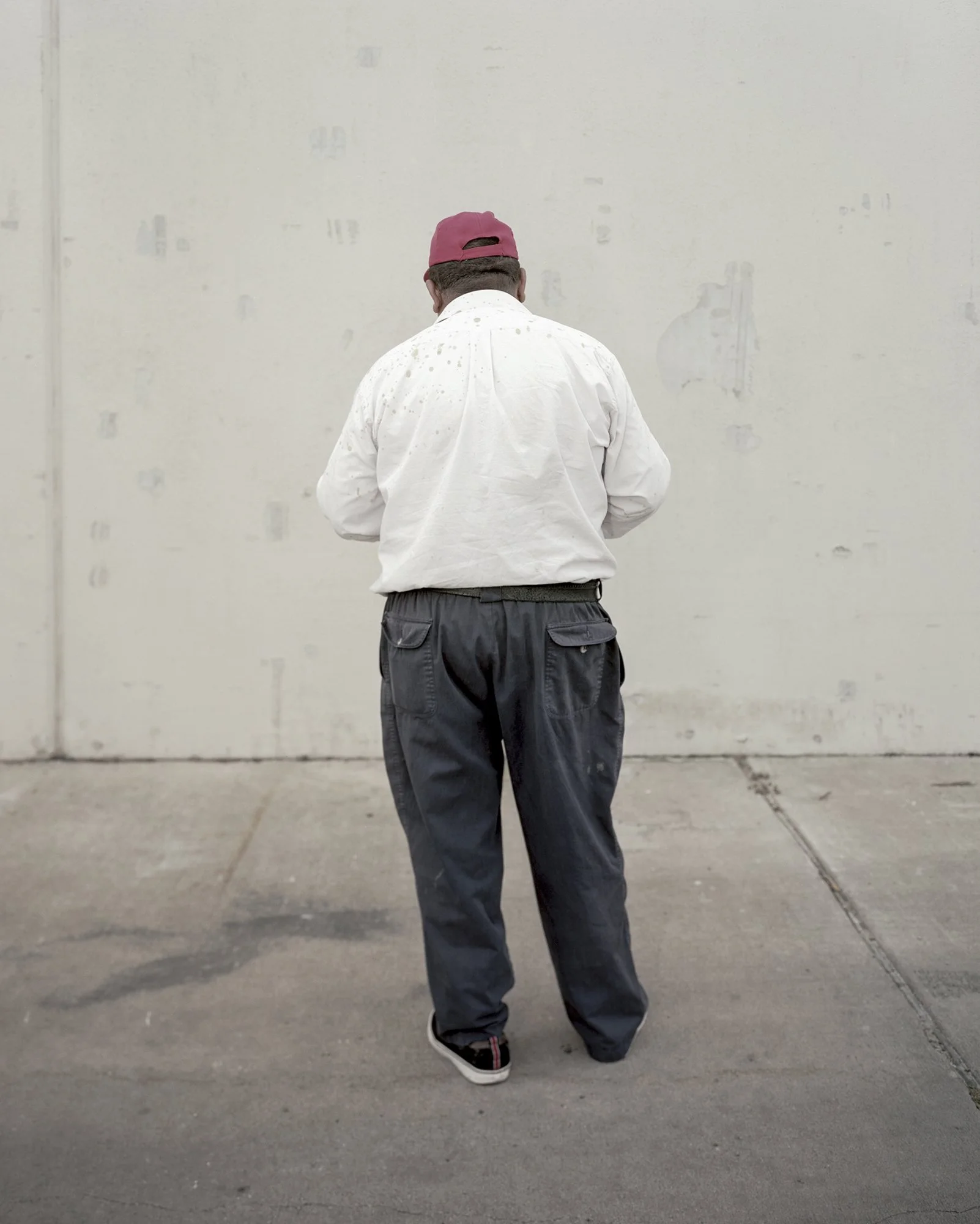
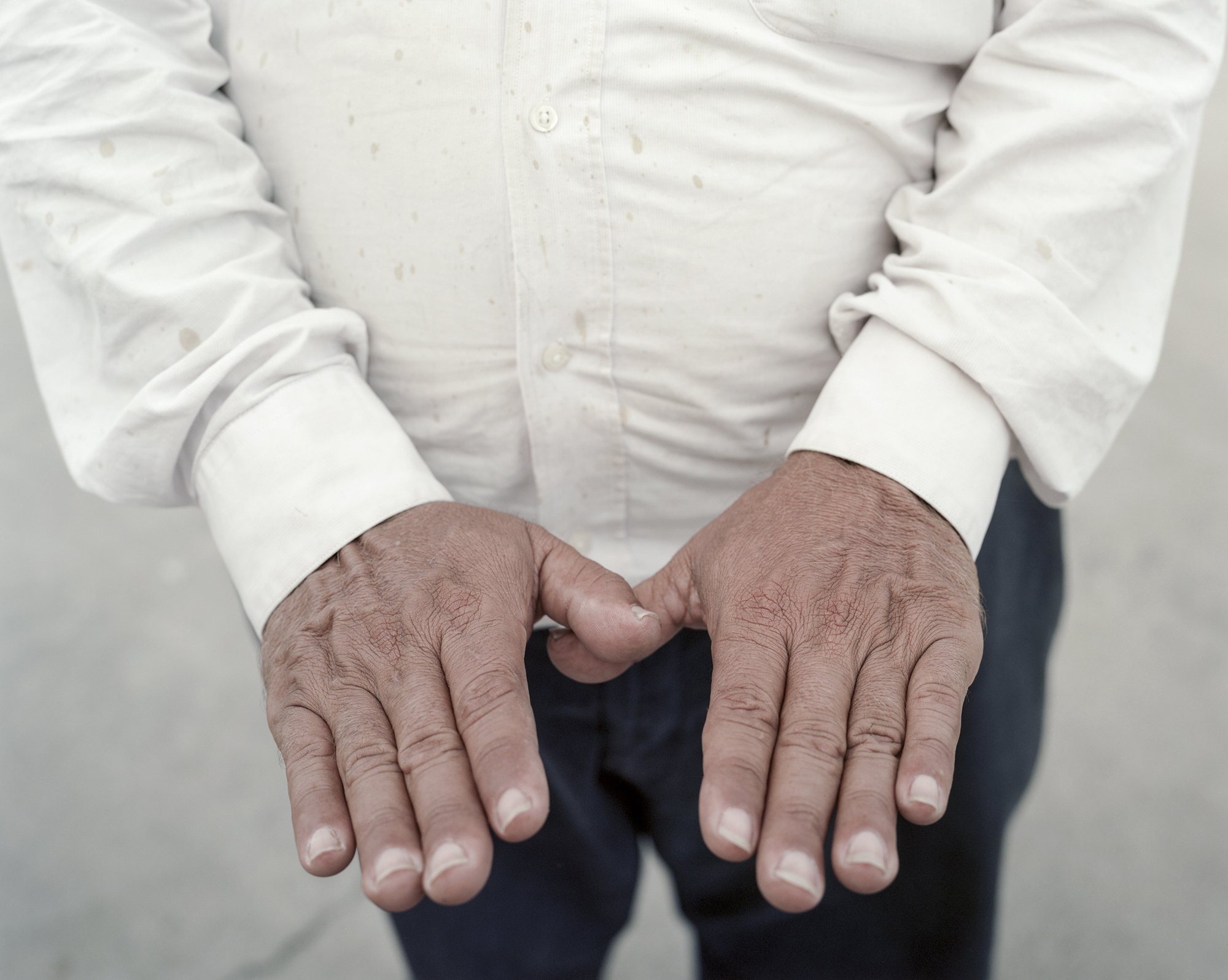
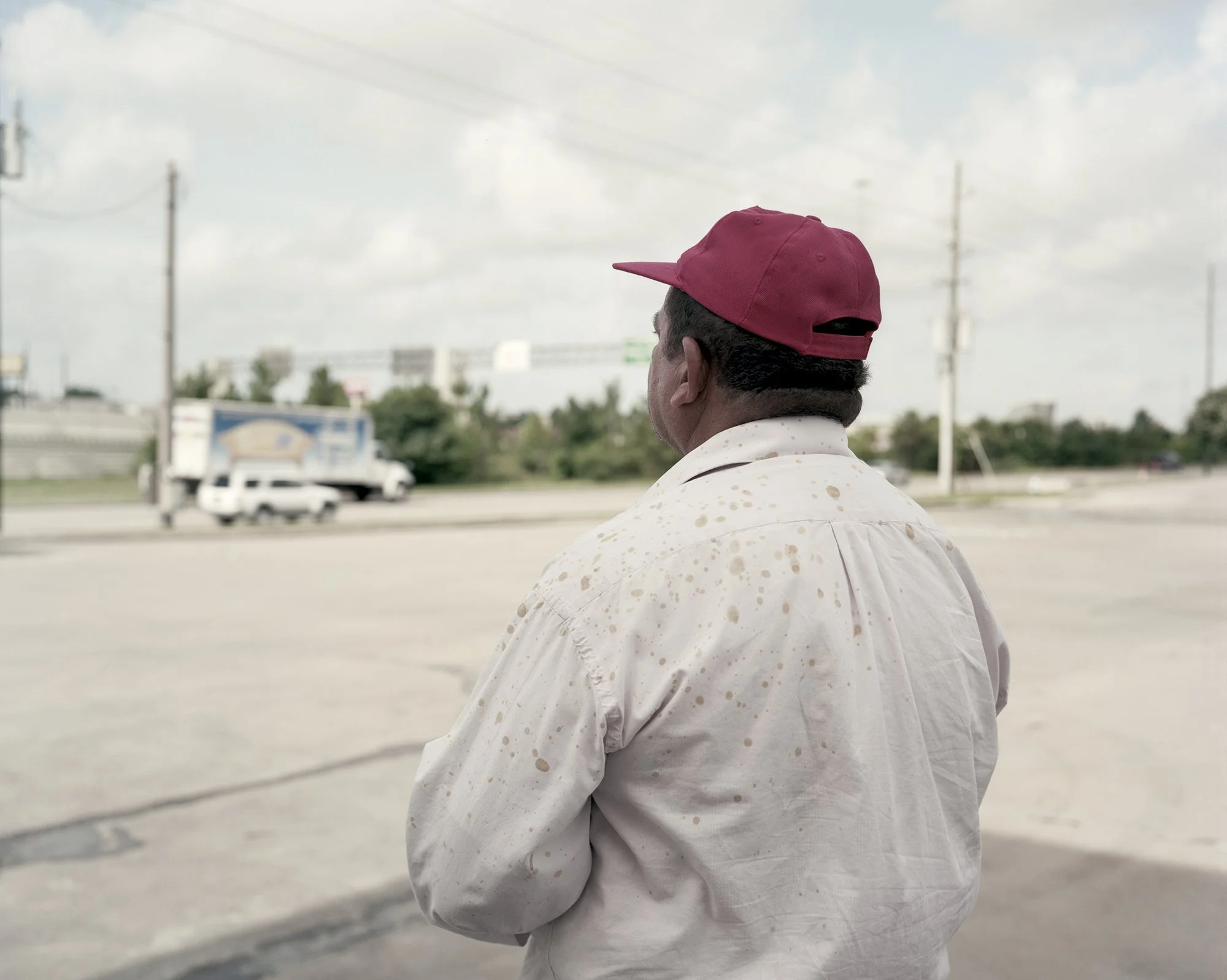
Jose arrived in the United States in January 2013. He left Honduras to protect himself and his family, seeking asylum in the United States. At the time, Honduras had one of the highest murder rates in the world. Jose told me that he and his family had been targeted because of his political views and staying was no longer an option.
He entered the US legally and began the process of claiming asylum, but as time passed the fear of being denied and forced to return grew. Rather than risk being sent back he stepped away from the process and began looking for work wherever he could find it.
I met Jose outside one of the many home improvement stores in Houston where he and dozens of others gathered each day hoping to be picked up for manual work. Most waited from early morning until late afternoon, when they managed to pick up work if often paid around ten dollars an hour.
Jose believes returning home is no longer possible. He told me he hopes to keep working in Houston so he can send money back to his wife and sons in Honduras, holding on to the hope of keeping them safe from afar.
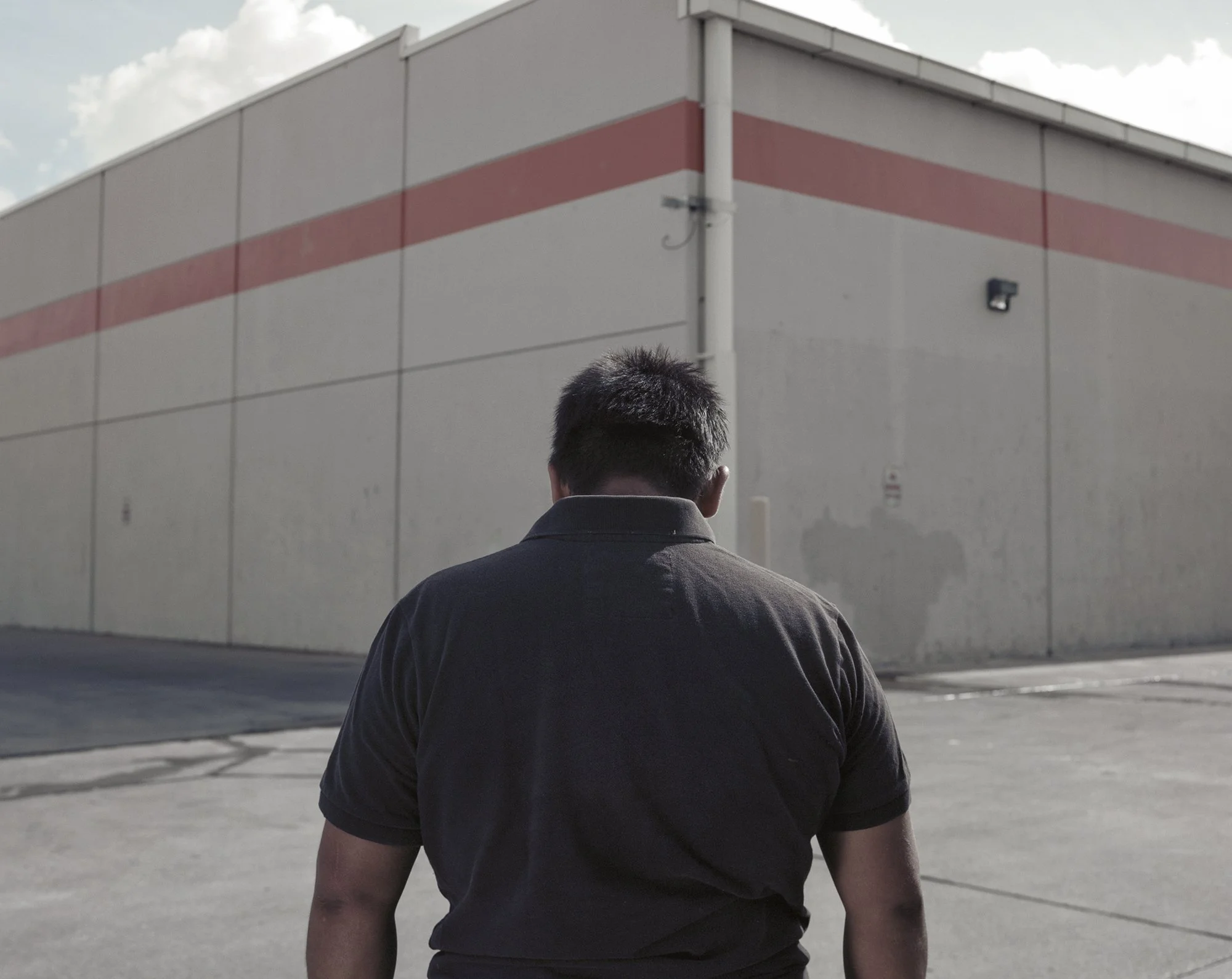
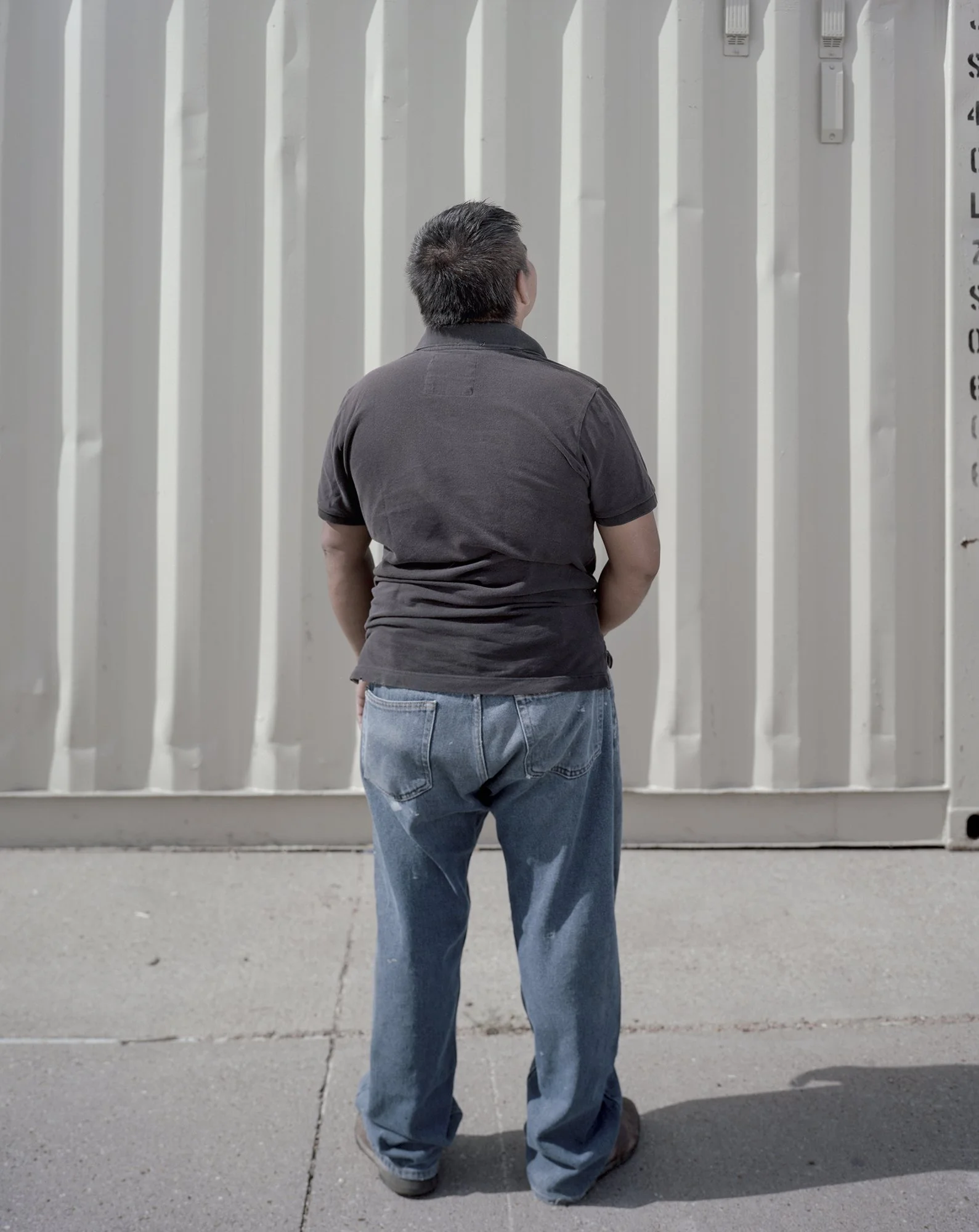
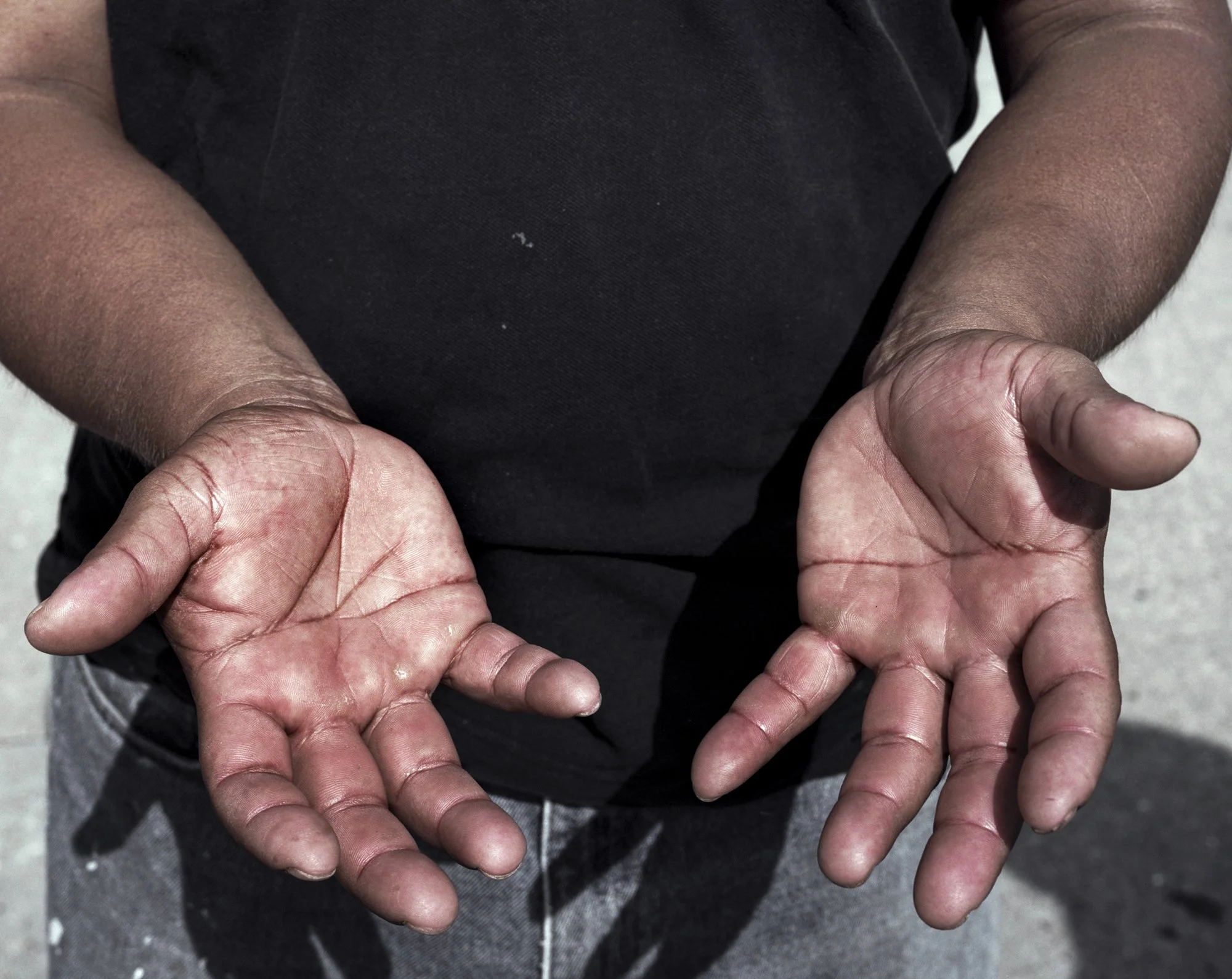
Arturo, his wife and their six year old daughter have been in the United States for four years. Their journey from El Salvador took just over a month, travelling roughly fifteen hundred miles by bus, car, and plane, before crossing the border at an unofficial point near Rio Grande City, Texas.
To make the journey possible, Arturo borrowed money from friends back in El Salvador, a debt he is still working to repay. Leaving wasn’t a decision taken lightly but one shaped by the growing violence and instability linked to the drug trade that had made daily life increasingly unsafe.
After less than a year in Rio Grande City, Arturo and his family moved north to Houston in search of more work. Back home Arturo specialised in restoring and painting classic cars but now in Houston, he waits in familiar spots under flyovers and near hardware stores where day labourers gather, hoping to be picked up for work. Despite his skills and experience, he takes whatever jobs he can from carpentry and painting to physically demanding work like removals and manual labour.
Arturo lives with the constant fear of being asked for documentation and the possibility of being forced to leave. Even so, he told me he feels safer in Houston than he did at home and he plans to keep working toward a more secure future for his family.
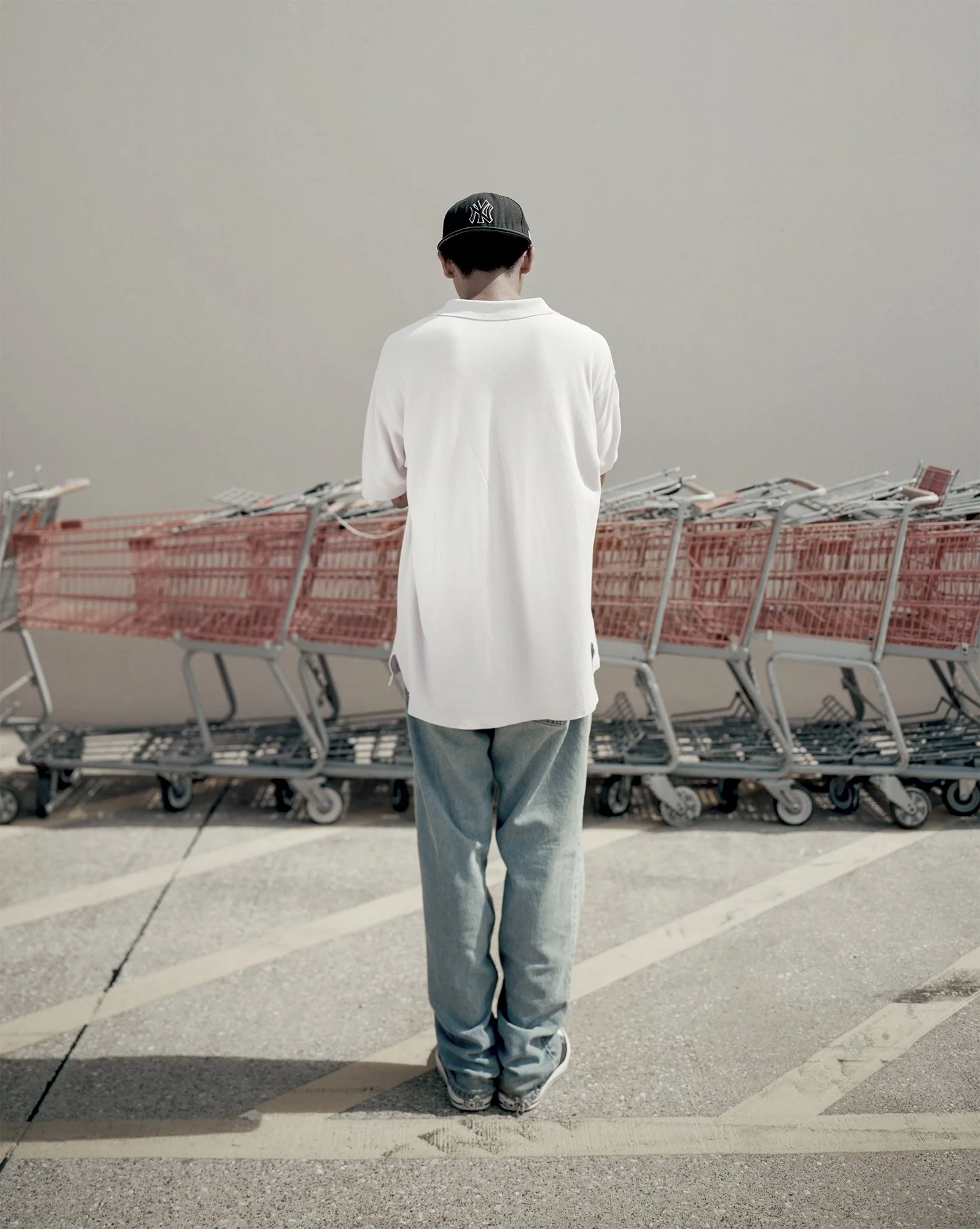
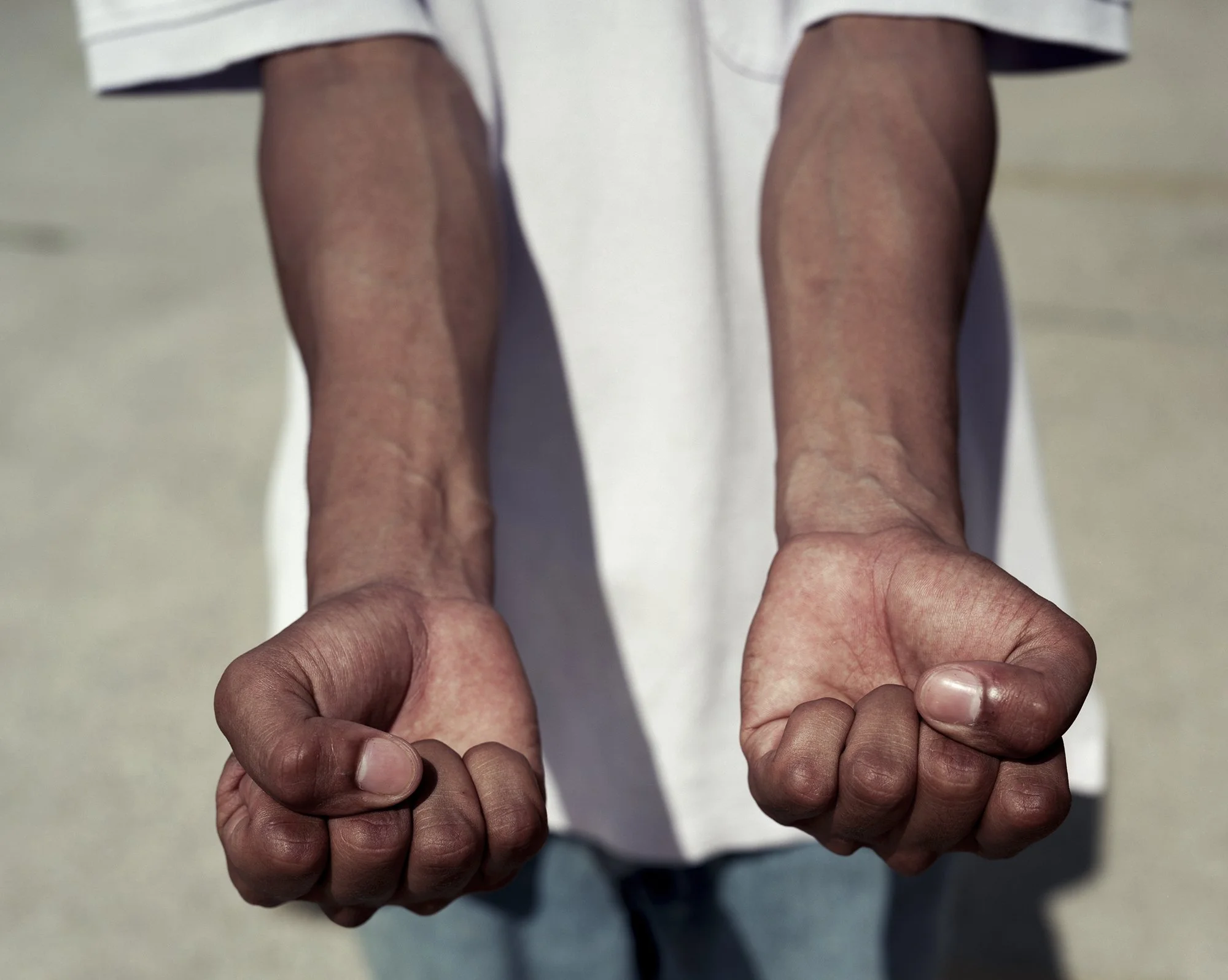
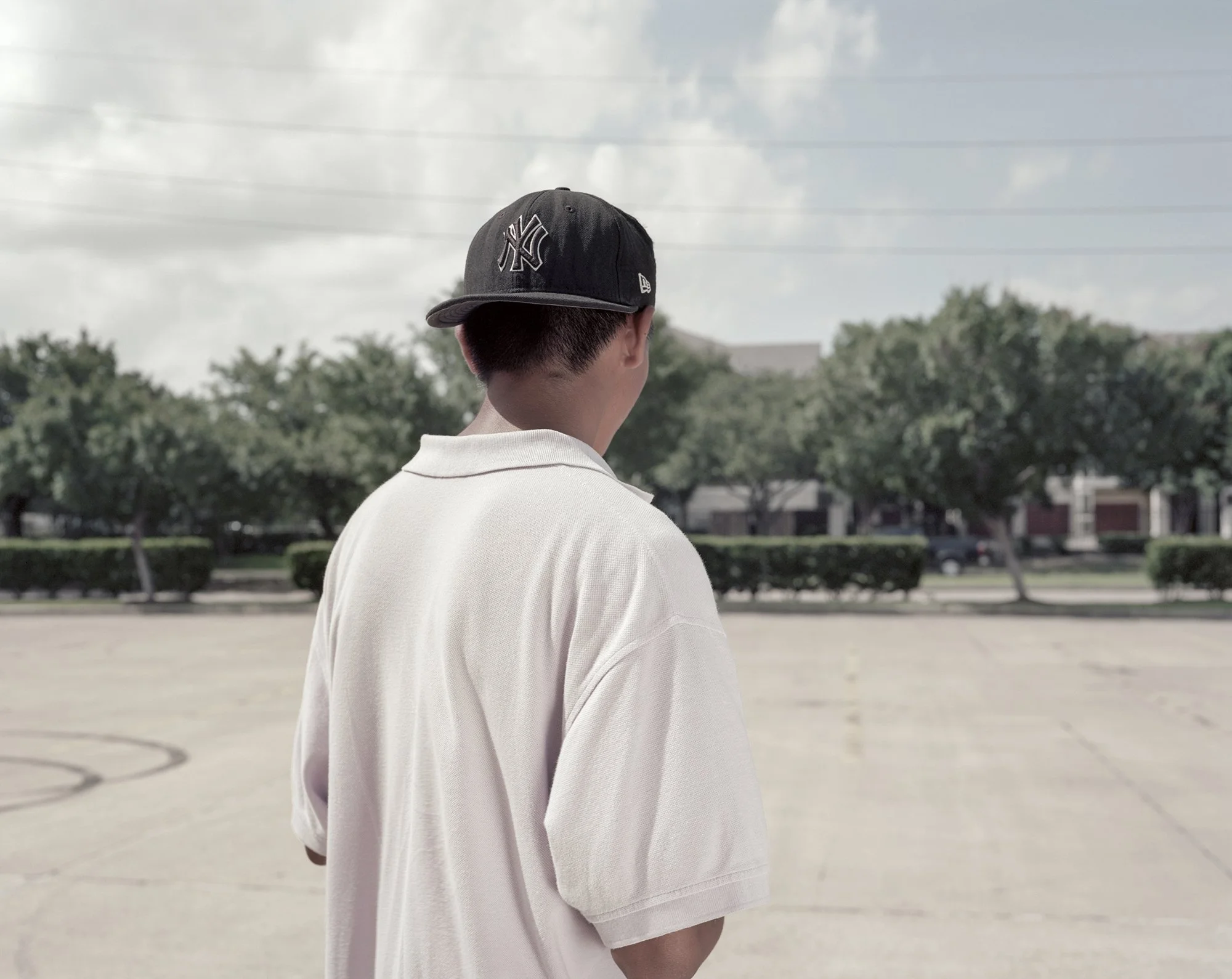
I met Norvim as I pulled into the car park of a shopping strip just off Highway Six in Houston. He was one of around fifteen men who saw my truck and ran towards it, hoping I was there looking for workers.
Norvim was twenty-two when I met him. He came to the United States in 2012 on a tourist visa and when it expired he stayed. He found work in restaurants and churches, taking whatever jobs were available. He left most of his family behind in Nicaragua, apart from his mother who also lives in Houston. He told me she struggles to support herself and that he tries not to lean on her unless he’s too physically exhausted to keep working and has no other choice.
Despite the uncertainty, Norvim spoke about the future with a kind of quiet conviction. He hopes to study engineering or business one day and said, without any irony or bravado, that he dreams of becoming president of his country Nicaragua. If that doesn’t happen, he wants to build something of his own and run a business.
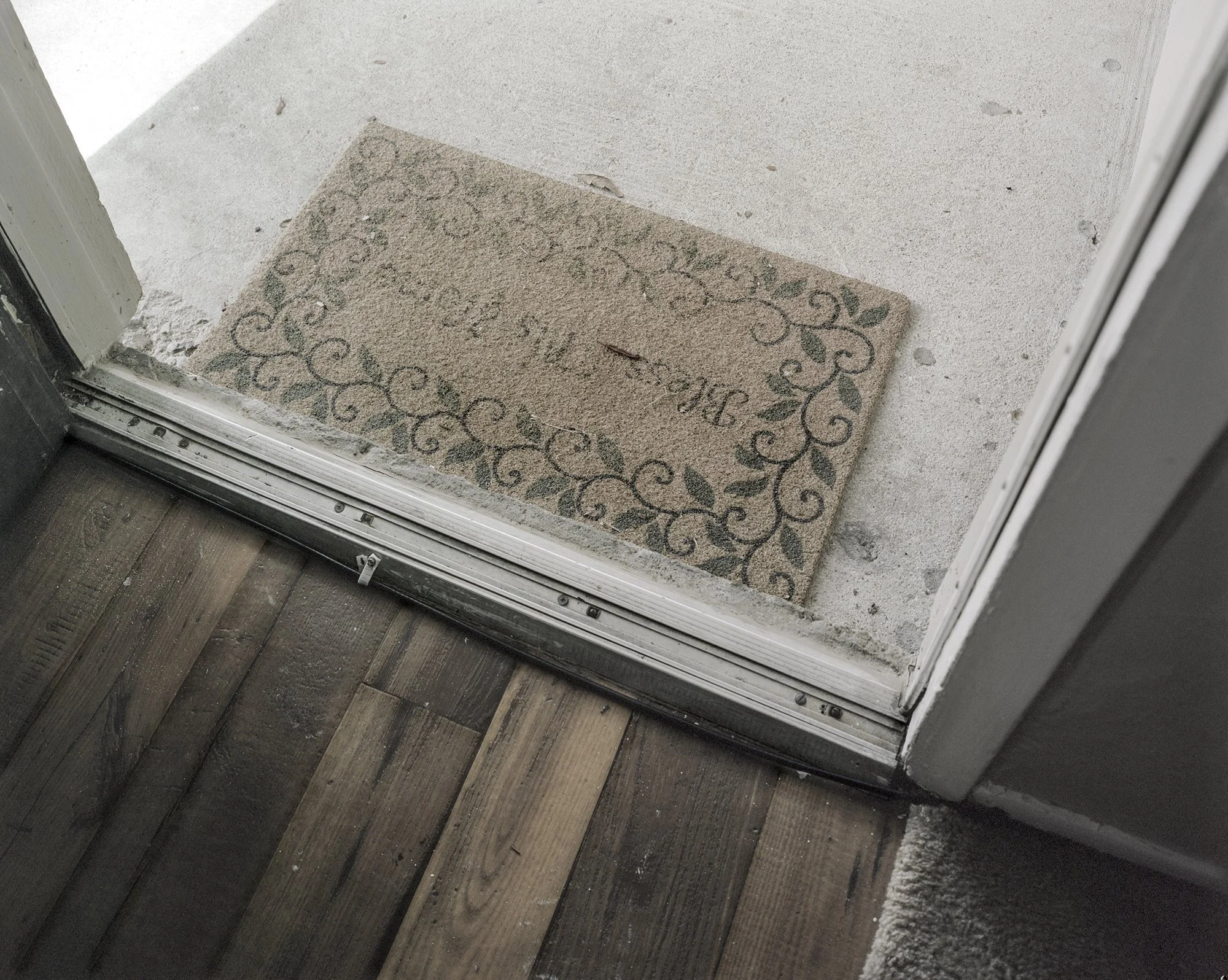
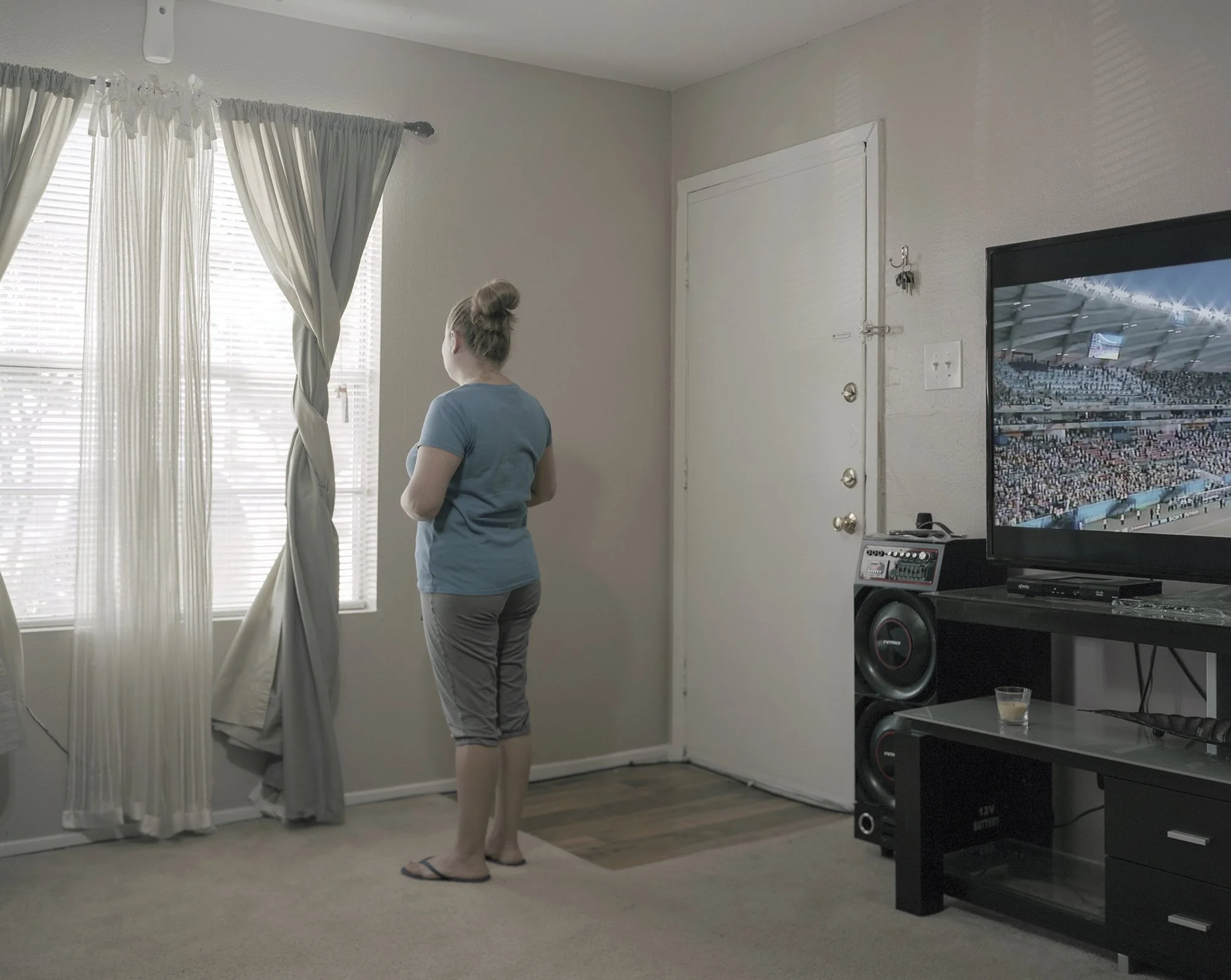
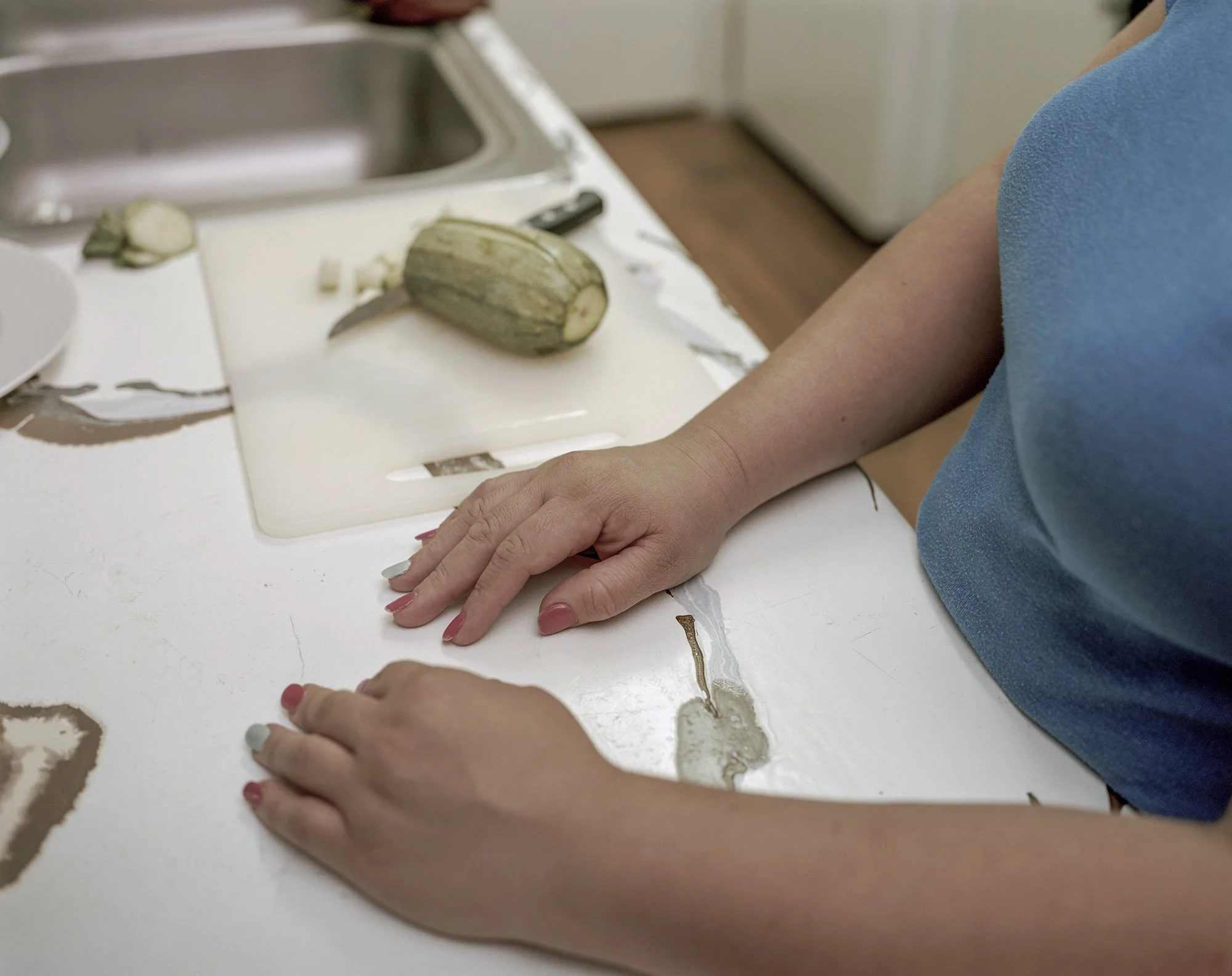
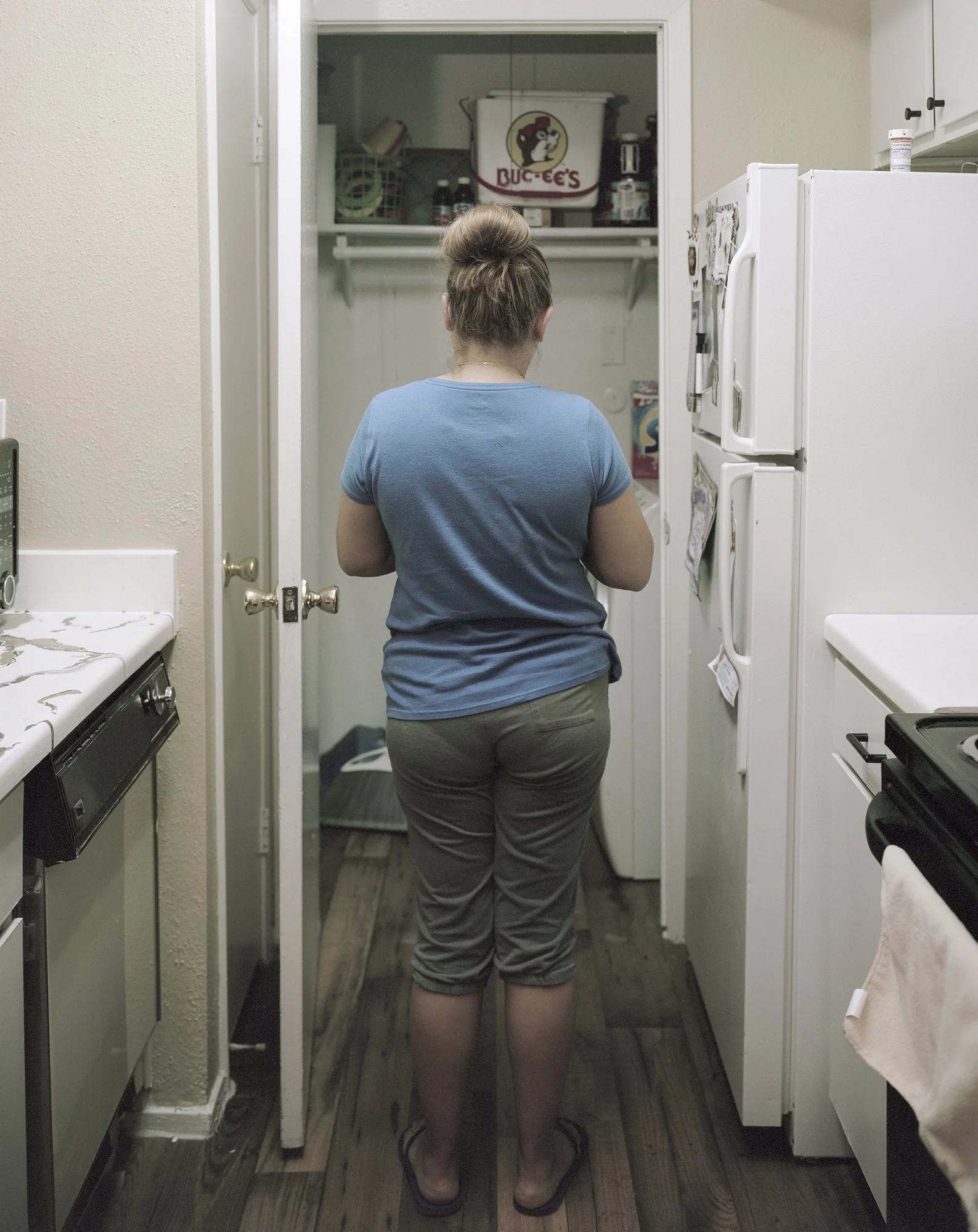
Briseida came to the United States in 2001 when she was twenty-four years old, she now lives in Houston with her two children. She left Mexico because of a lack of opportunity and growing concerns for her safety. Despite having studied she struggled to find stable work and the rise in violence around her made everyday life feel increasingly uncertain.
Leaving meant saying goodbye to her parents, unsure if she would ever see them again. She followed her brothers to Houston but the journey was difficult, at the border she passed through two checkpoints, one controlled by Mexican authorities and the other by the United States. With the help of contacts and bribes she crossed the Mexican checkpoint without issue but the second crossing was far more dangerous. She was hidden inside a large holdall and placed beneath a child’s car seat, with a child sitting above her. Simple hiding places are often discovered during routine searches but that day the vehicle was not inspected.
Briseida believes her lighter complexion has shielded her in ways others are not afforded. She told me she has avoided racial profiling and has passed through encounters with law enforcement without her status being questioned. Even so, she lives with constant caution, careful not to draw attention or risk confrontation with authorities.
Despite the uncertainty, she has chosen to remain. For Briseida, staying means giving her children the chance of a better life, even if it means living with risk and uncertainty.