the modernity of witchcraft
In 2013, I travelled to Kampala, Uganda with my 6×7 medium format and 4×5 cameras to make portraits of practising witch doctors. Locating them was unexpectedly straightforward, their presence felt woven into the fabric of the city, cutting across class and circumstance.
Witch doctors, also known as traditional healers and herbalists, serve a wide spectrum of needs. I came to understand that many people turn to them for ailments believed to stem from spirits, curses or unseen forces as well as for conditions such as infertility, AIDS, mental illness and even homosexuality. The boundaries between the physical and the spiritual felt fluid, often indistinguishable.
By chance the four practitioners I photographed all belonged to the Basoga tribe, originating from Eastern Uganda. In Kampala their work appeared not only culturally embedded but economically significant, at times more present in daily life than Western medicine. Some had positioned their shrines in central slums while living on the city’s edges, navigating geography in pursuit of visibility, livelihood, and opportunity.
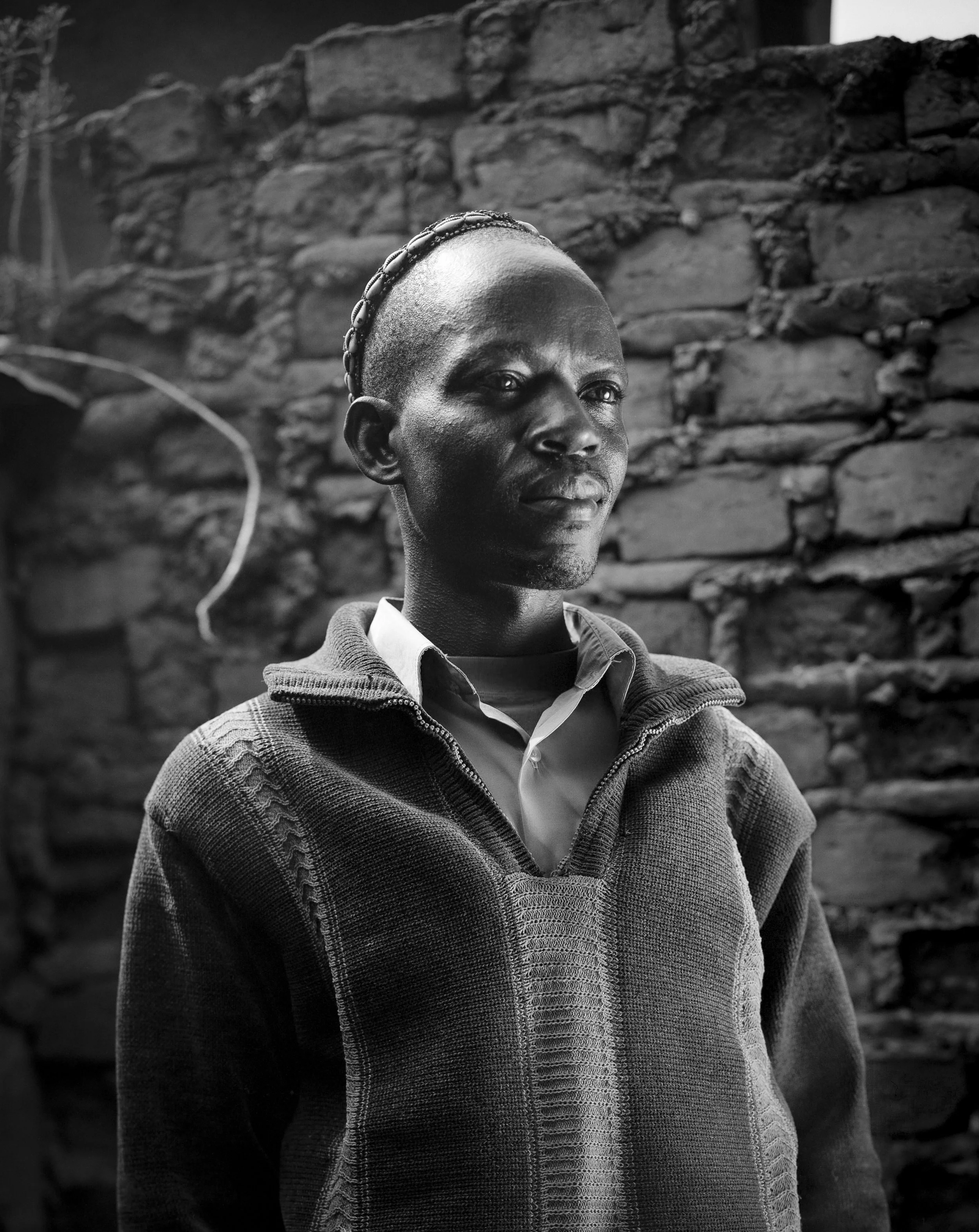
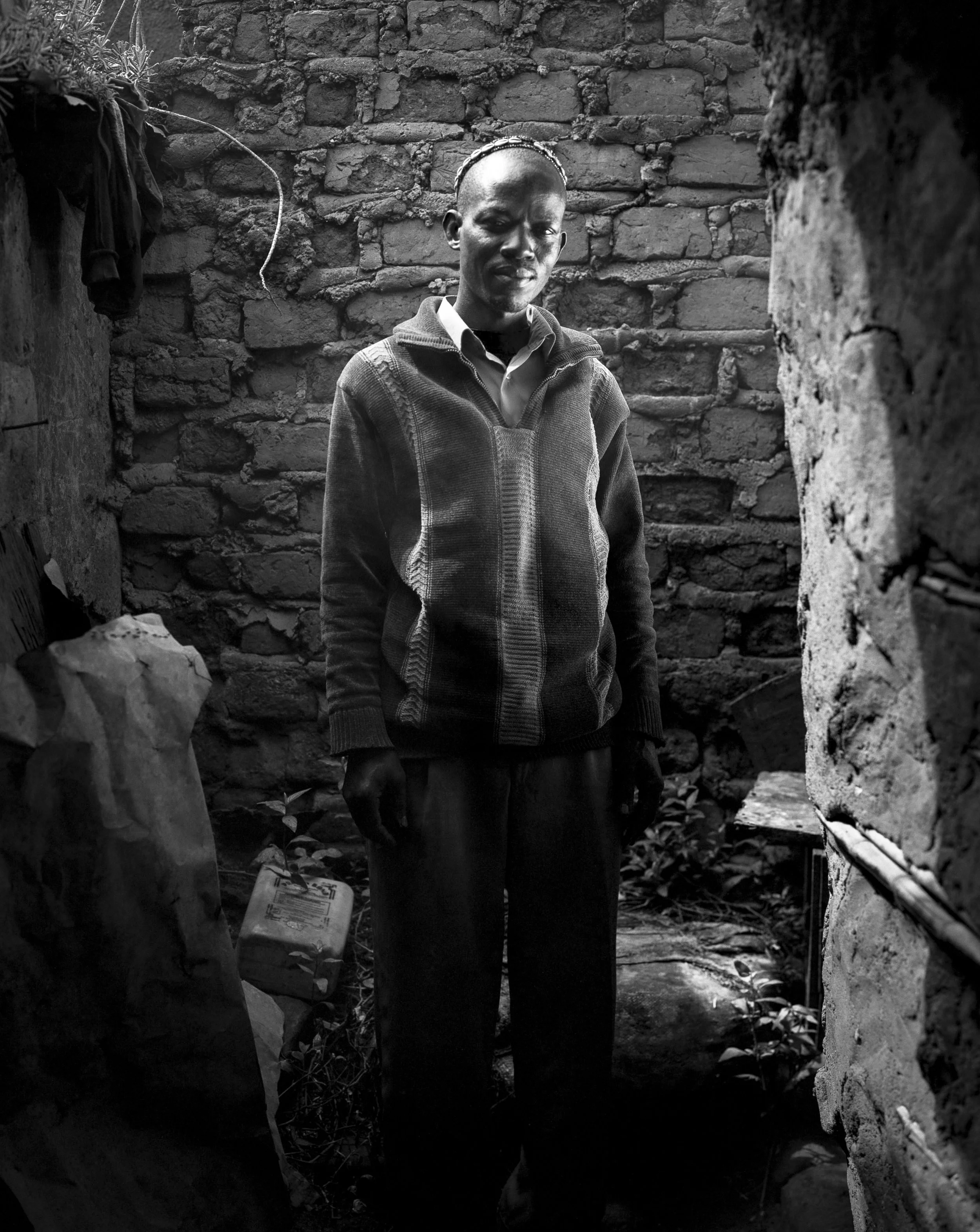
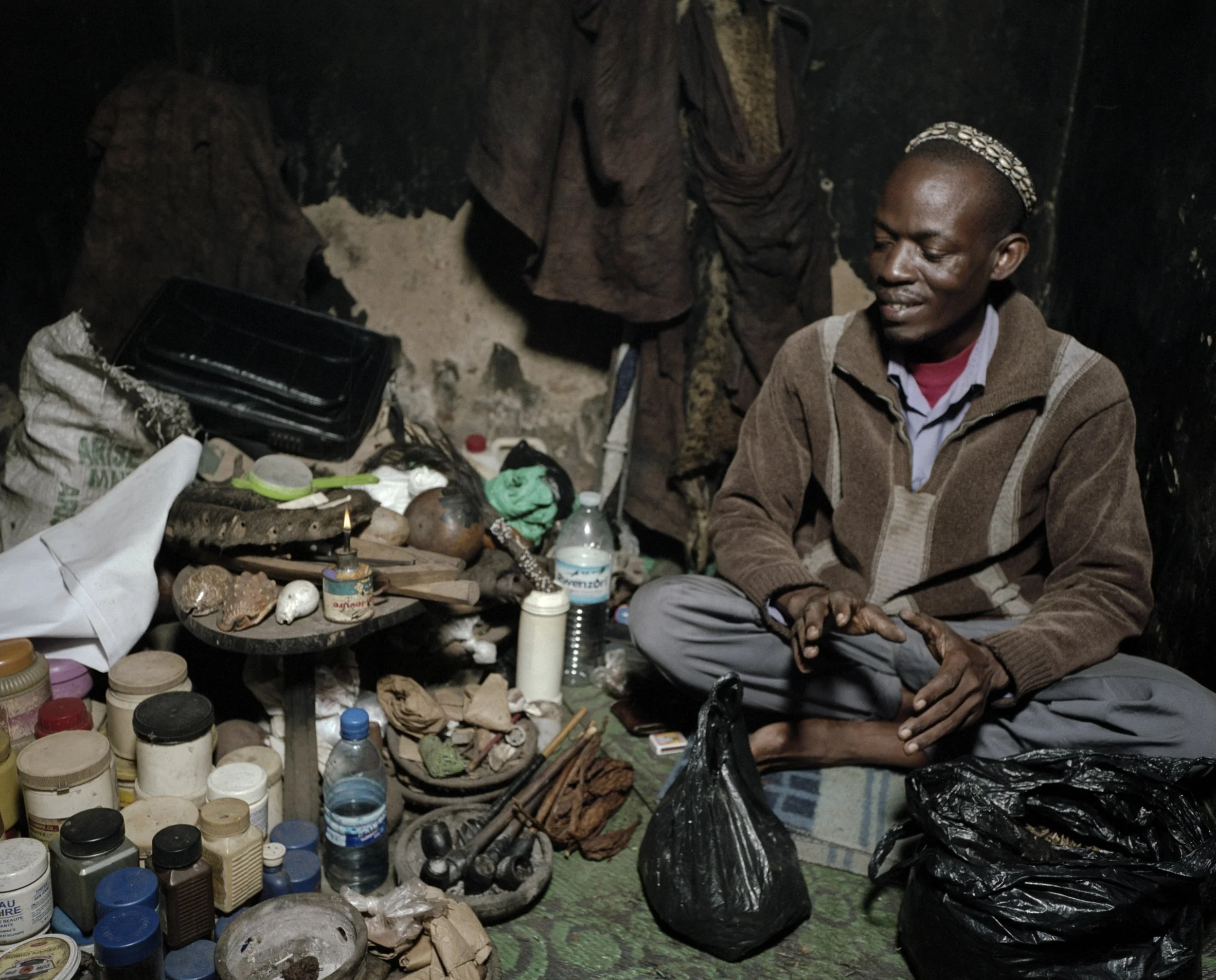
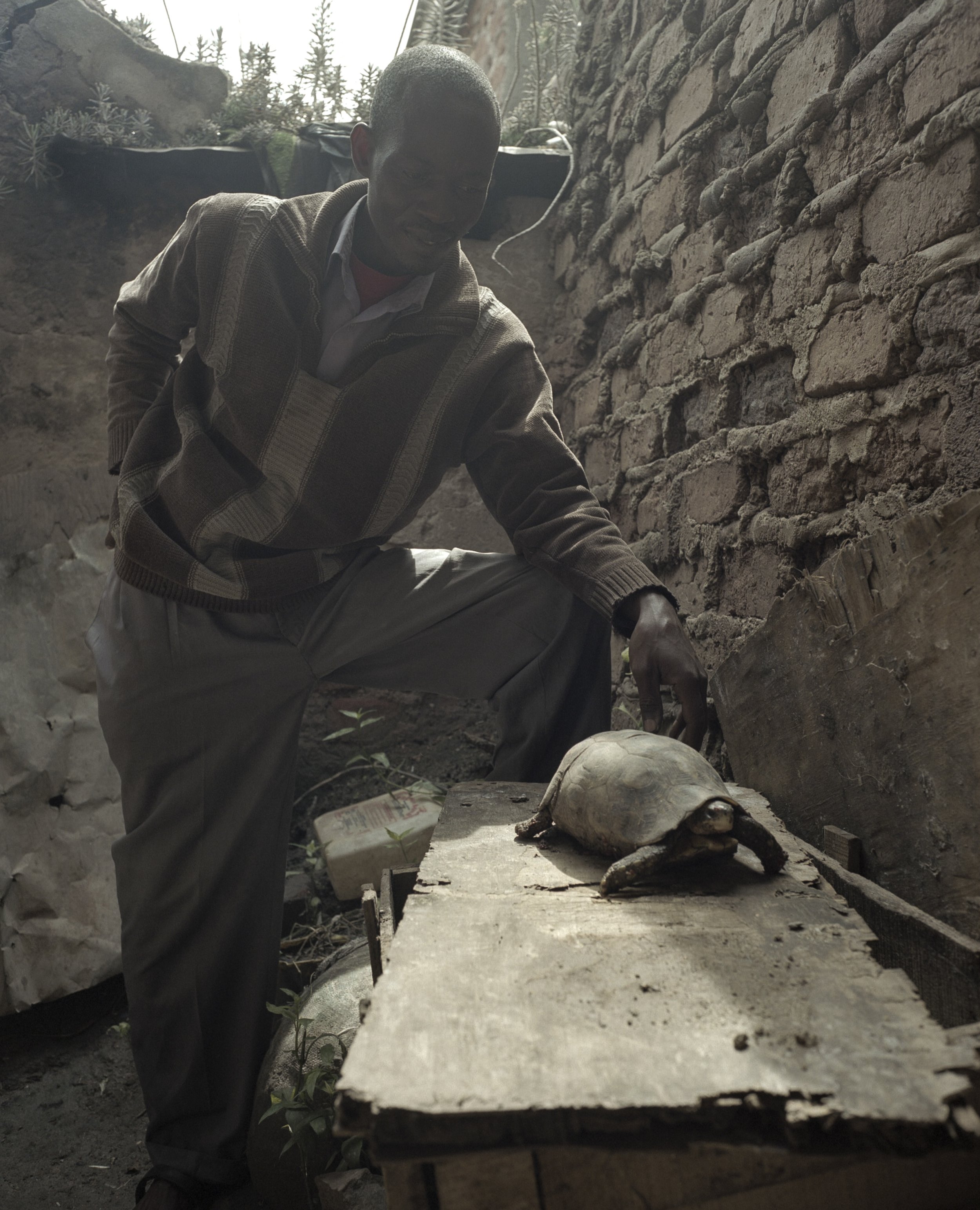
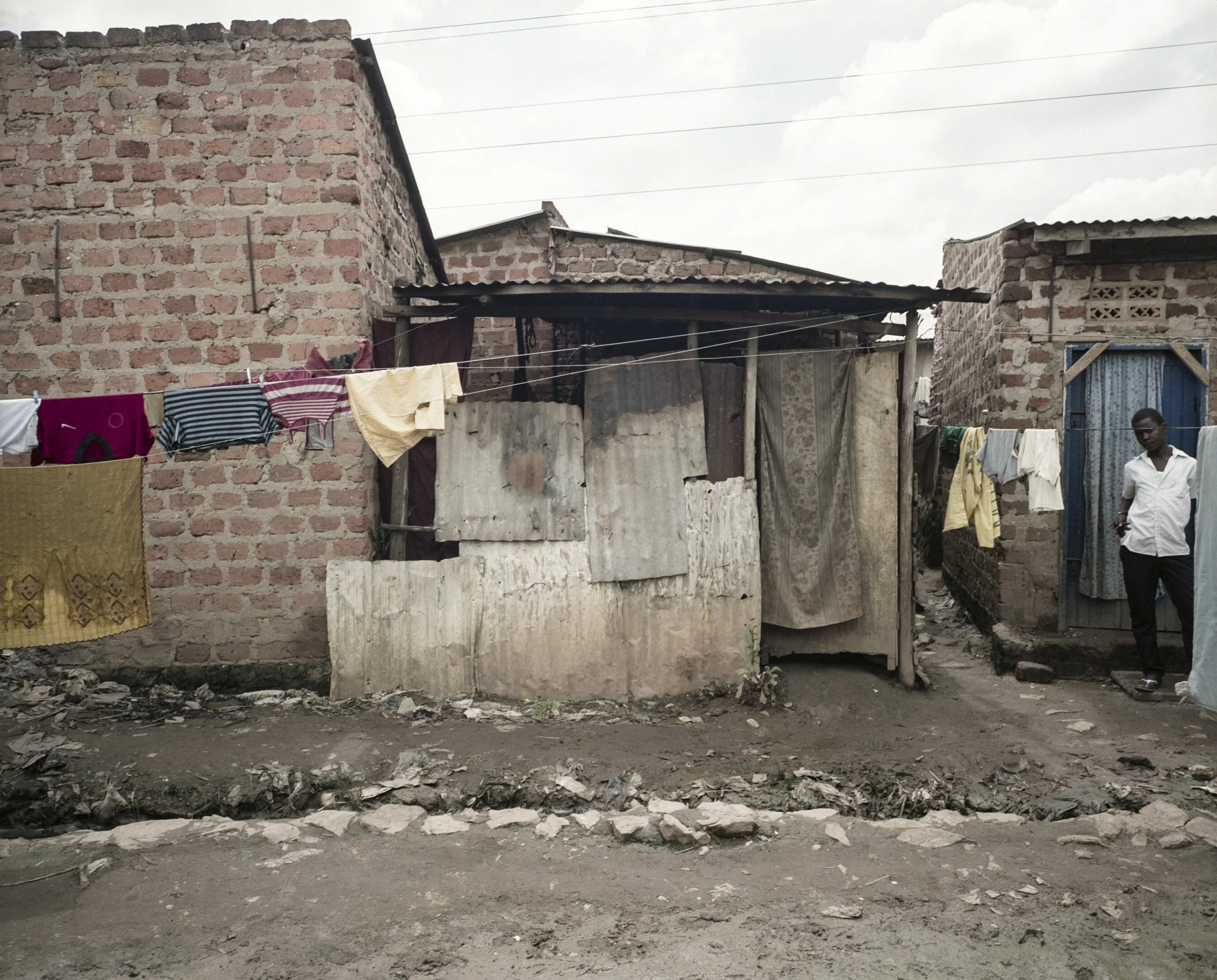
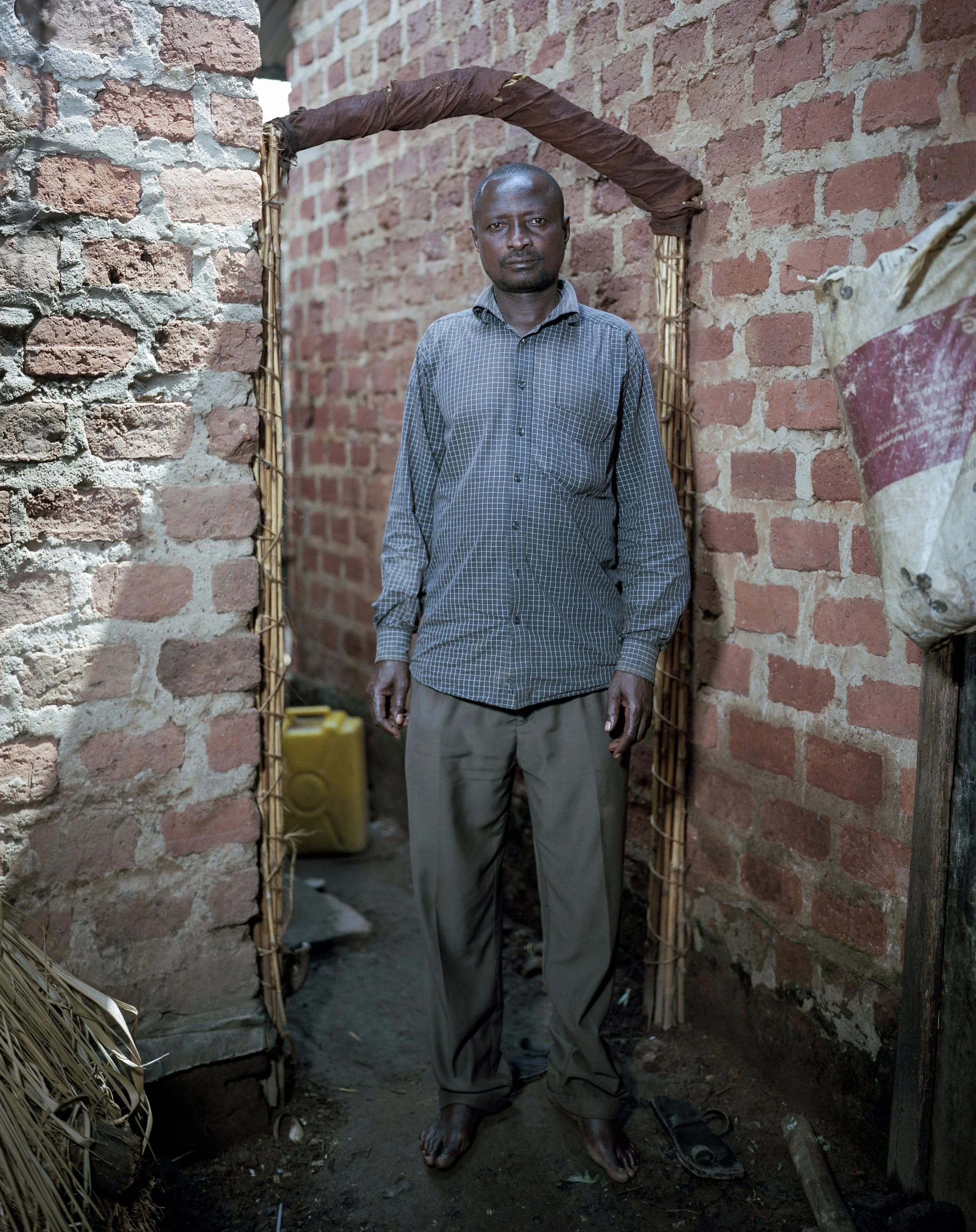
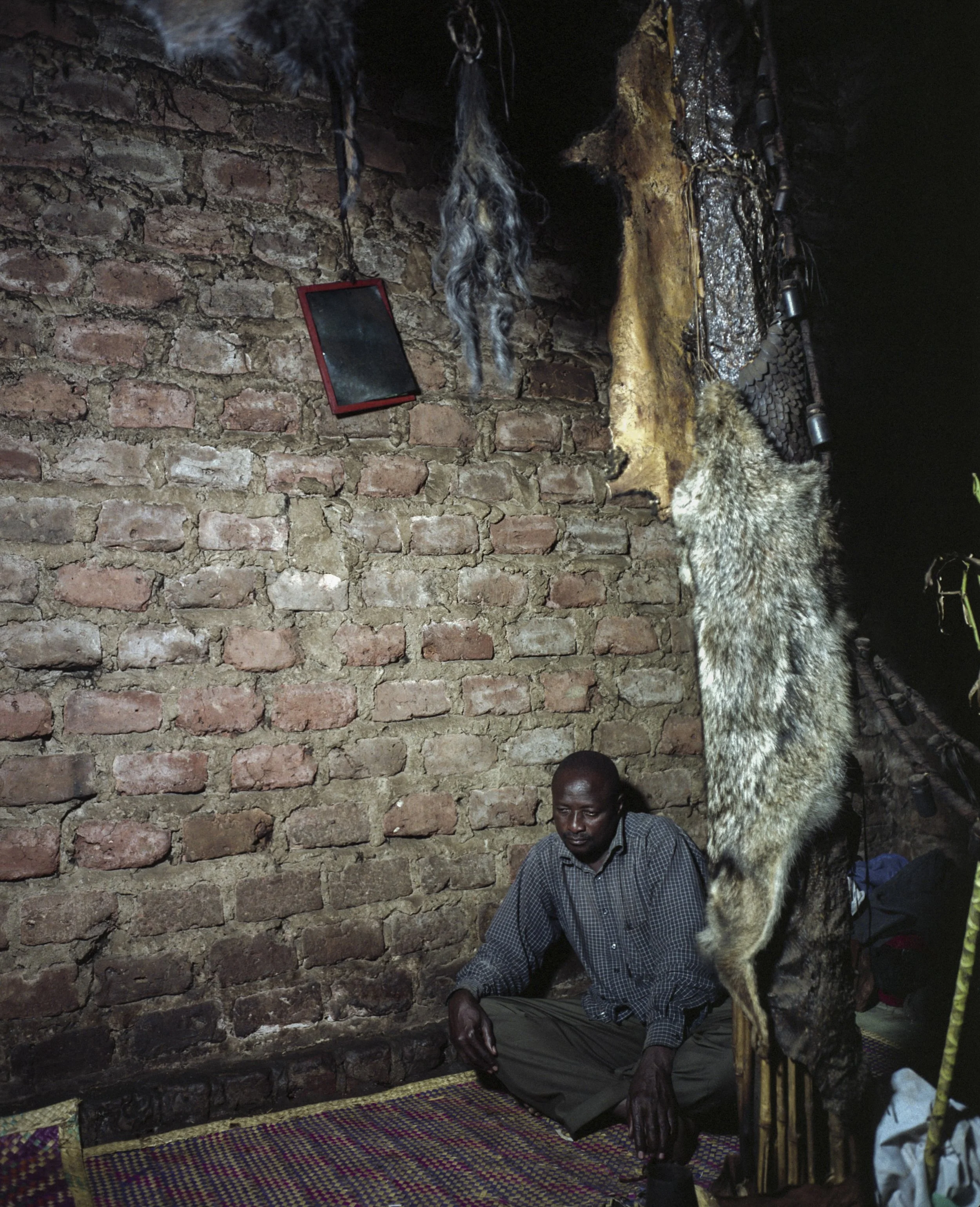
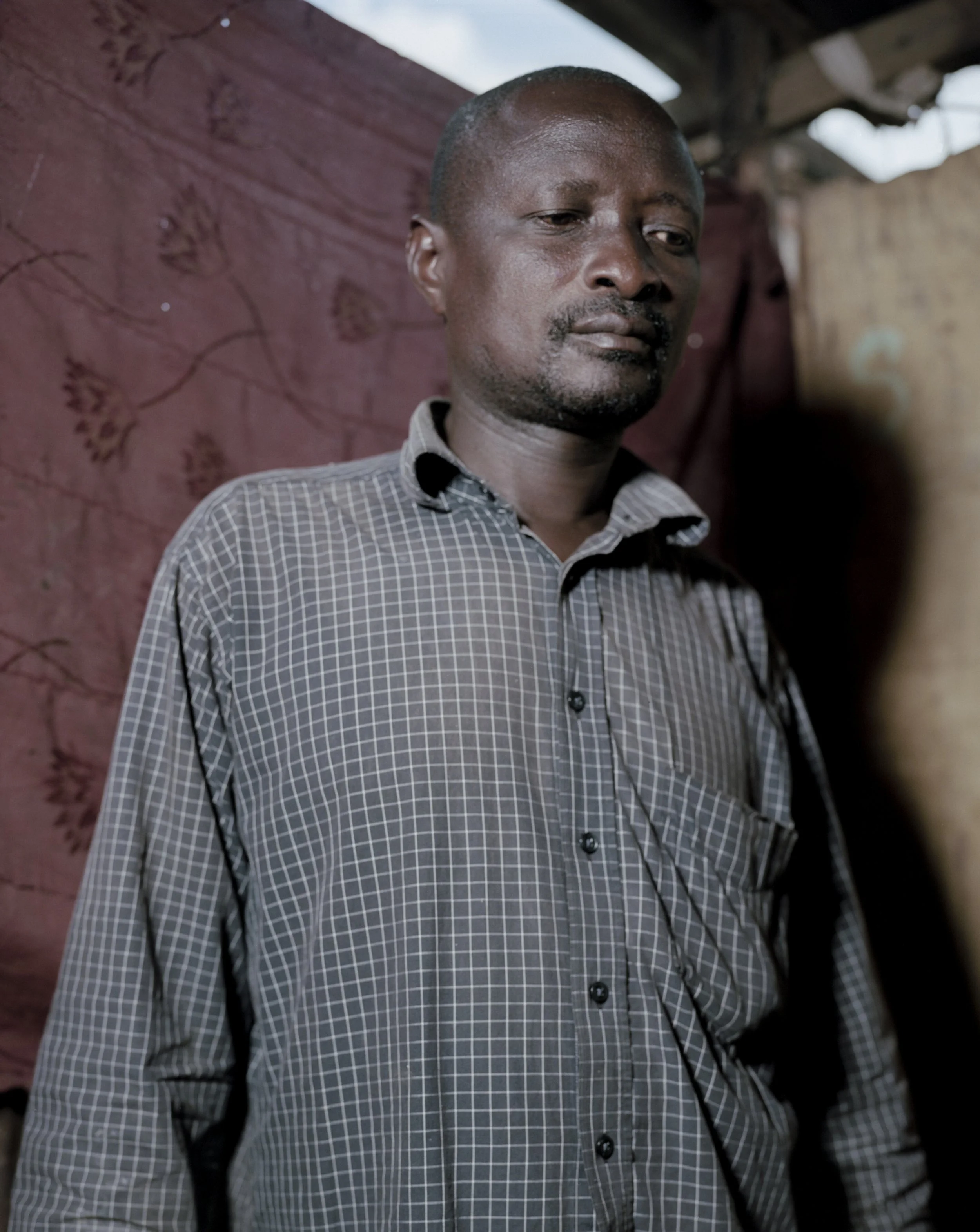
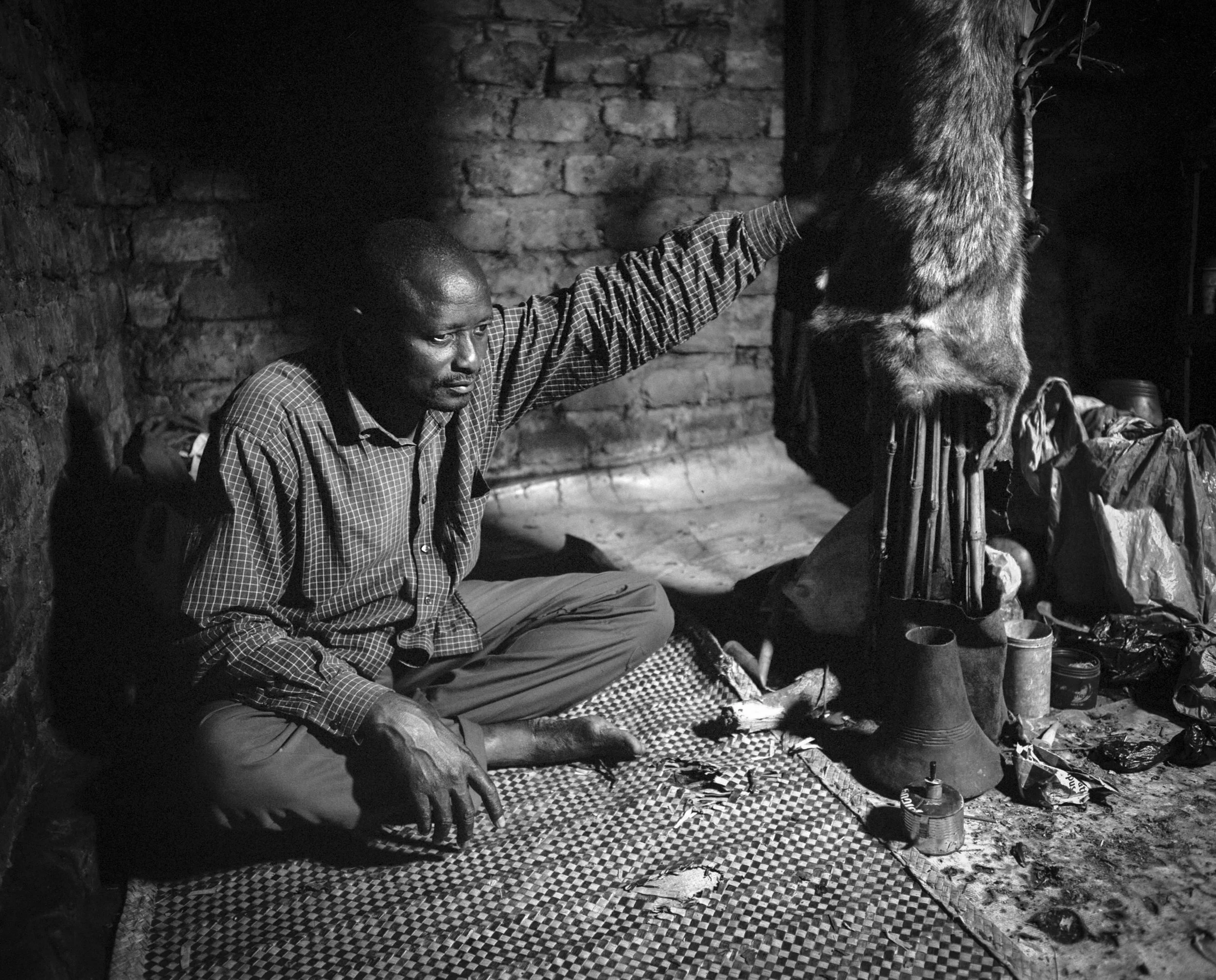
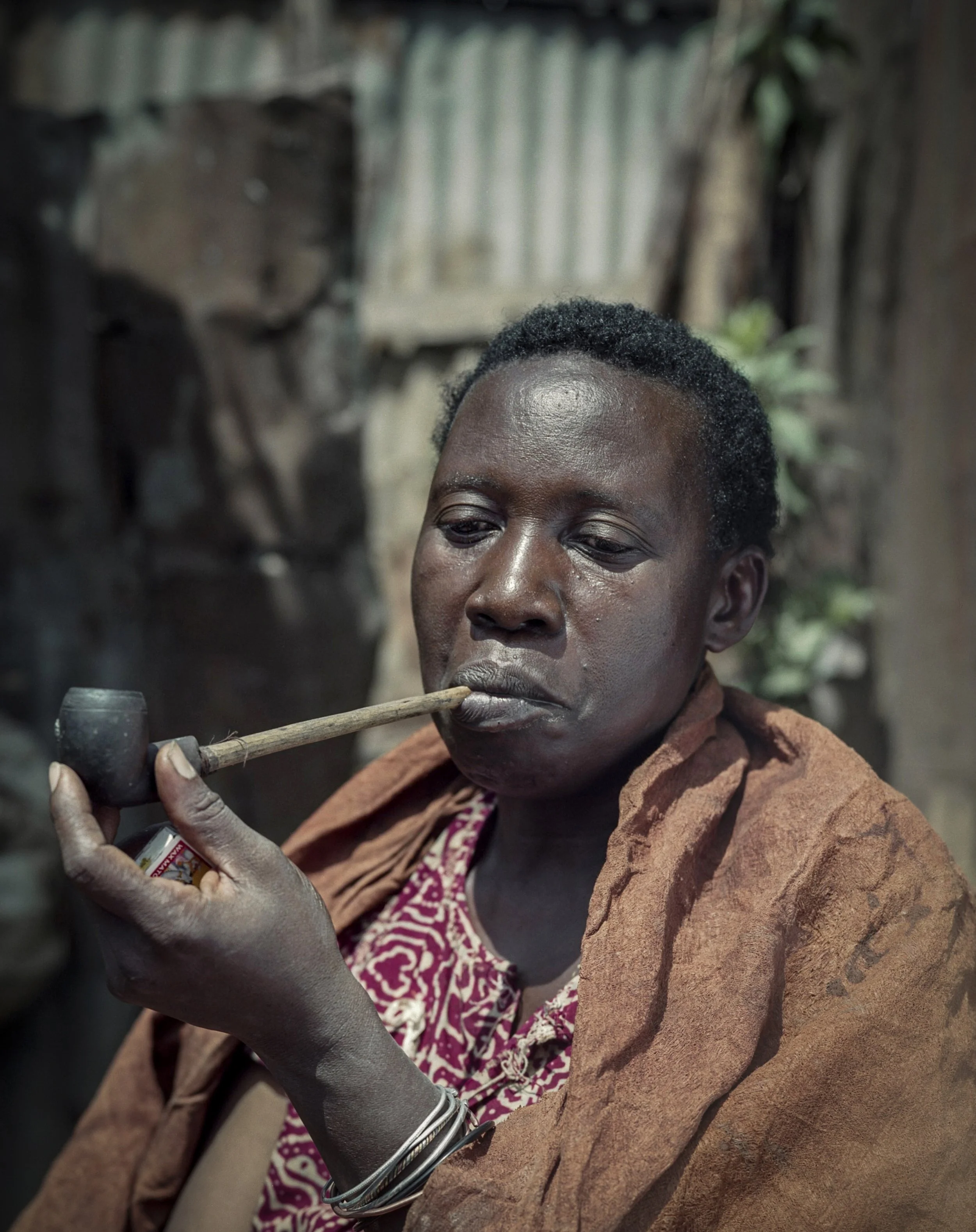
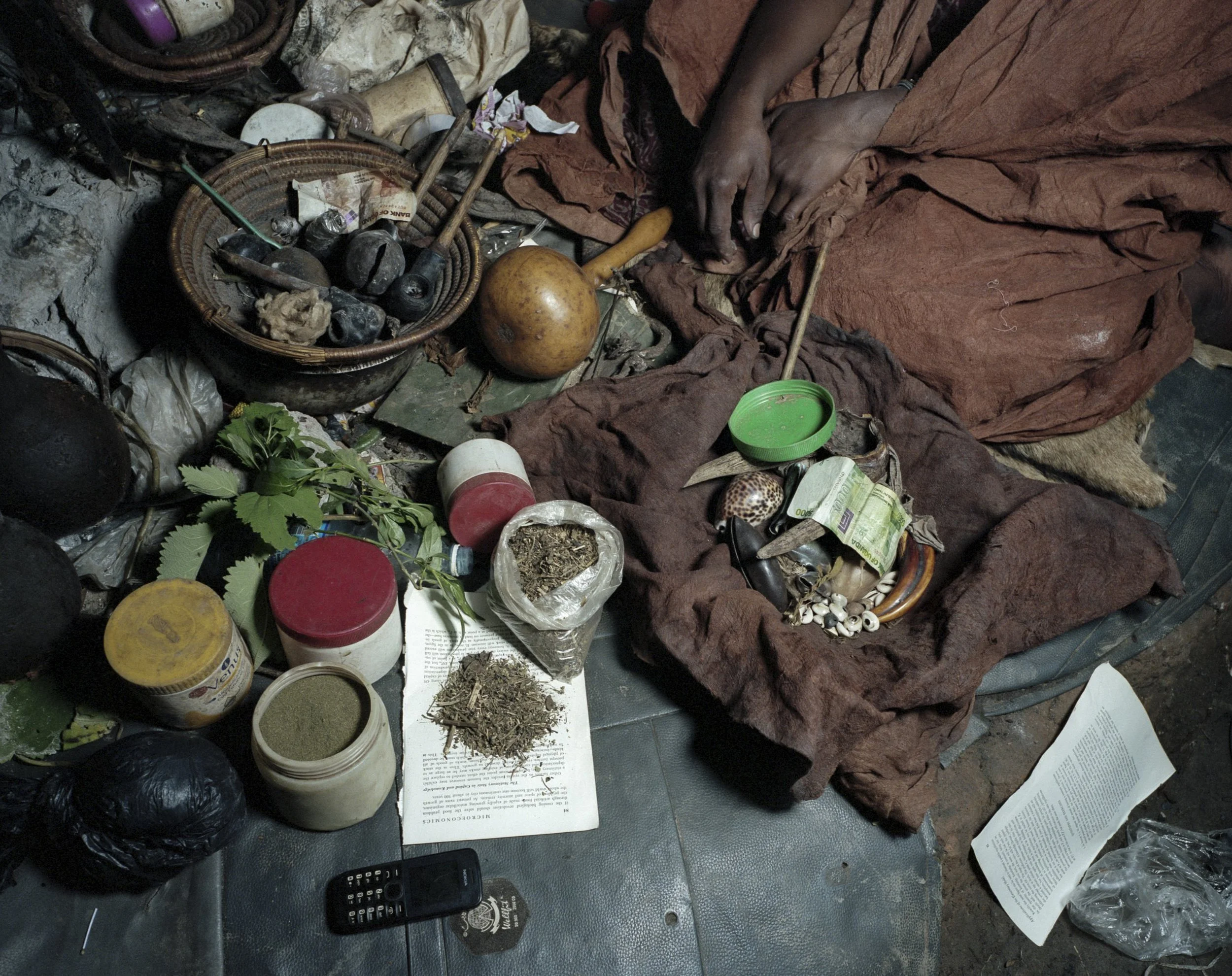
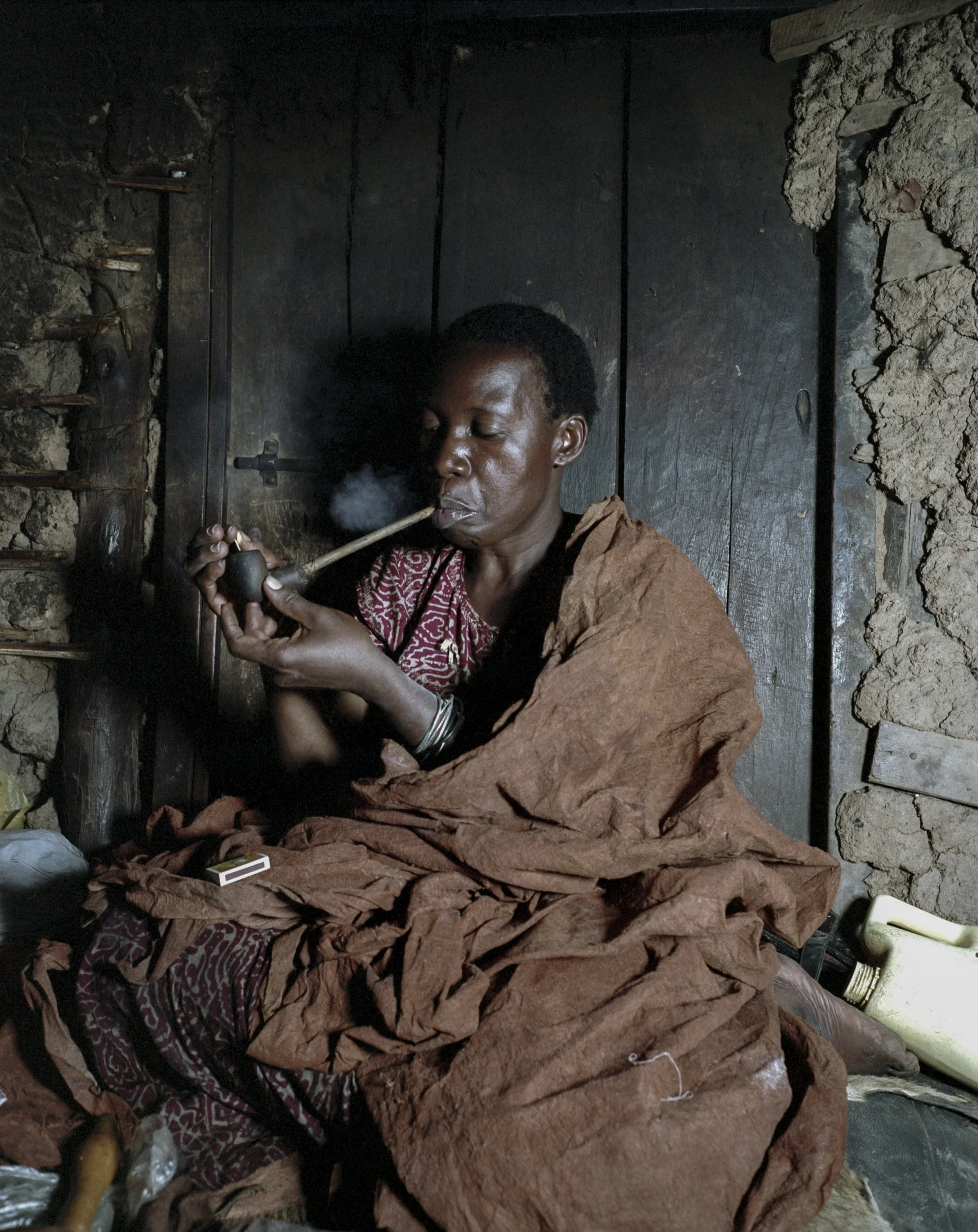
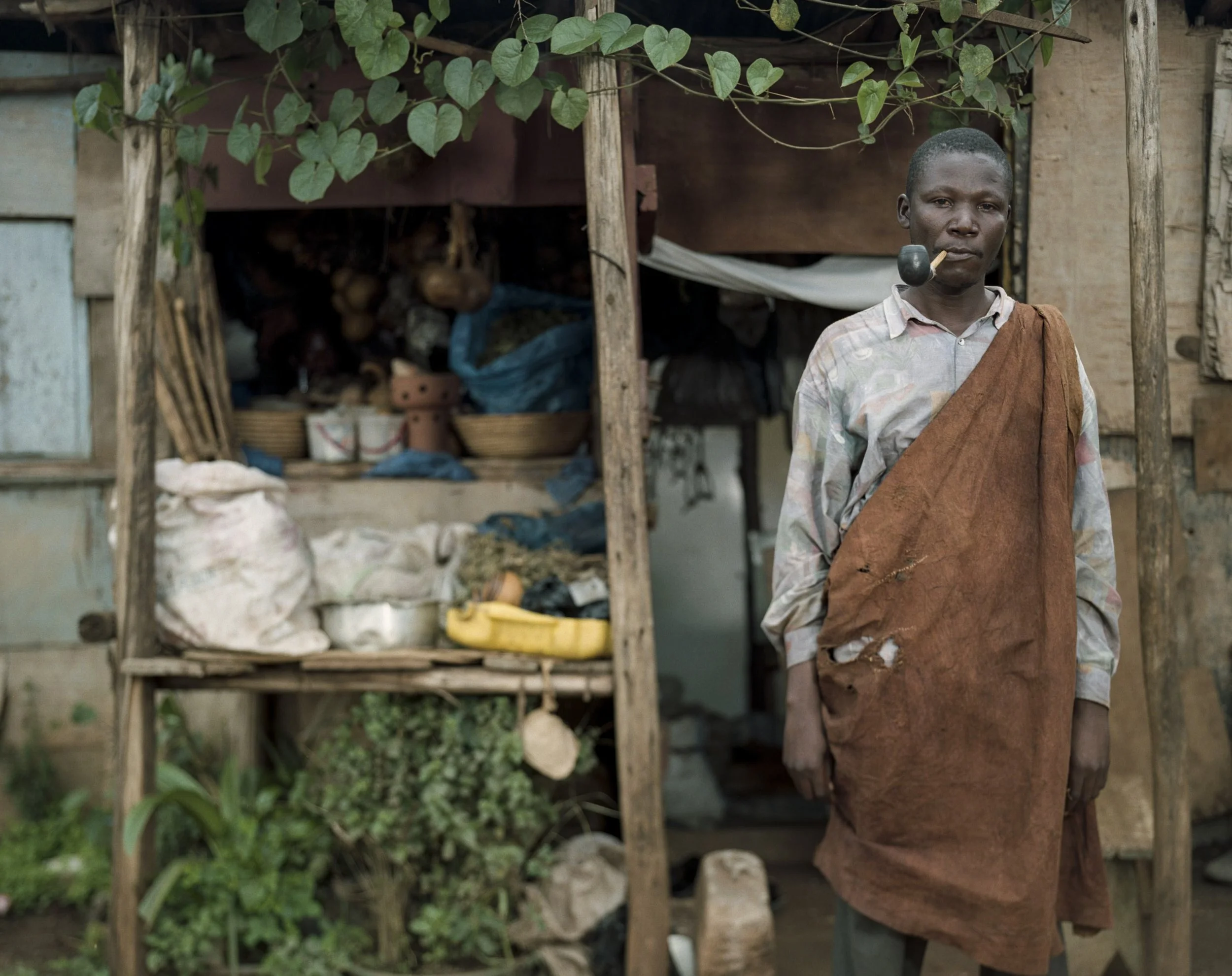
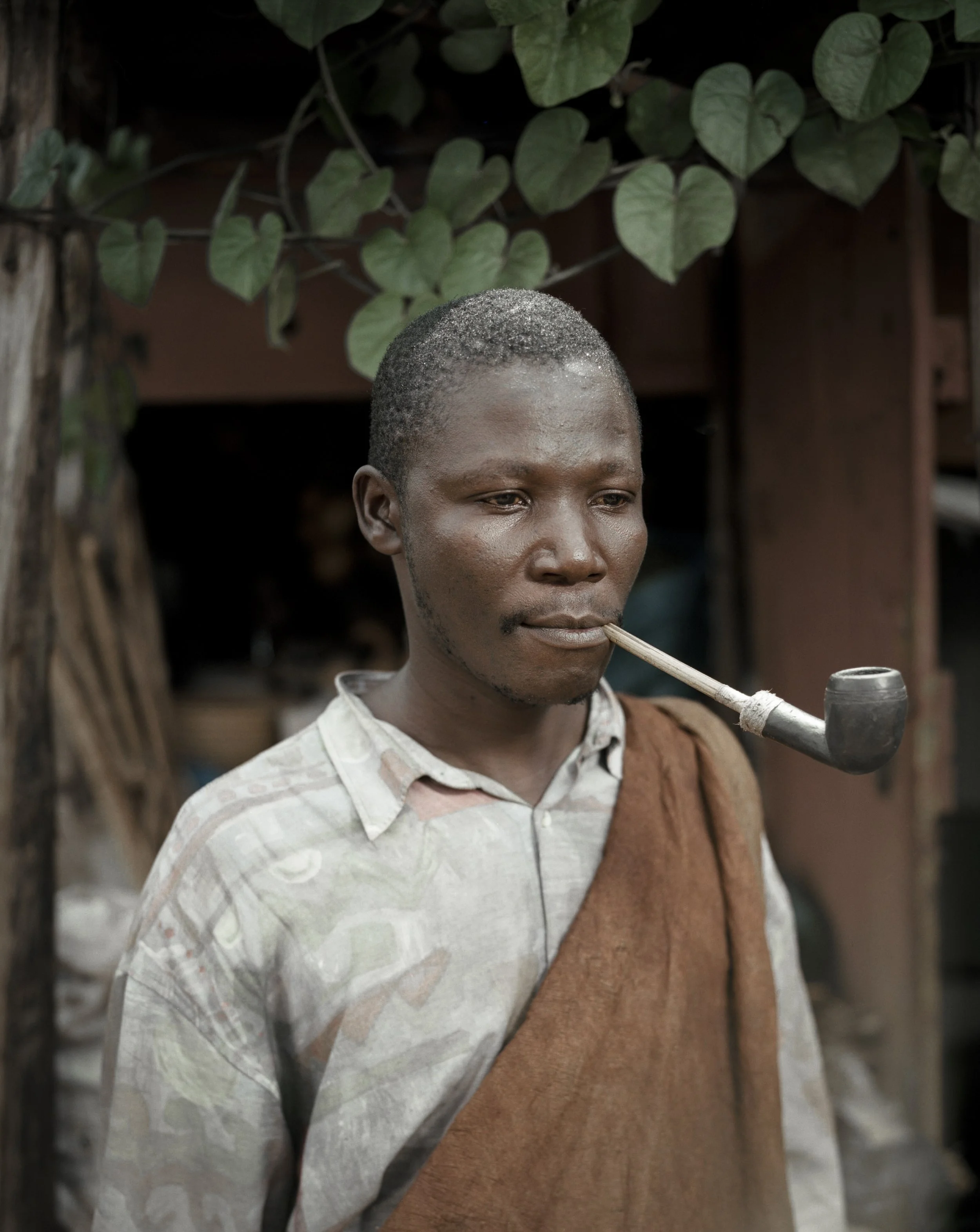
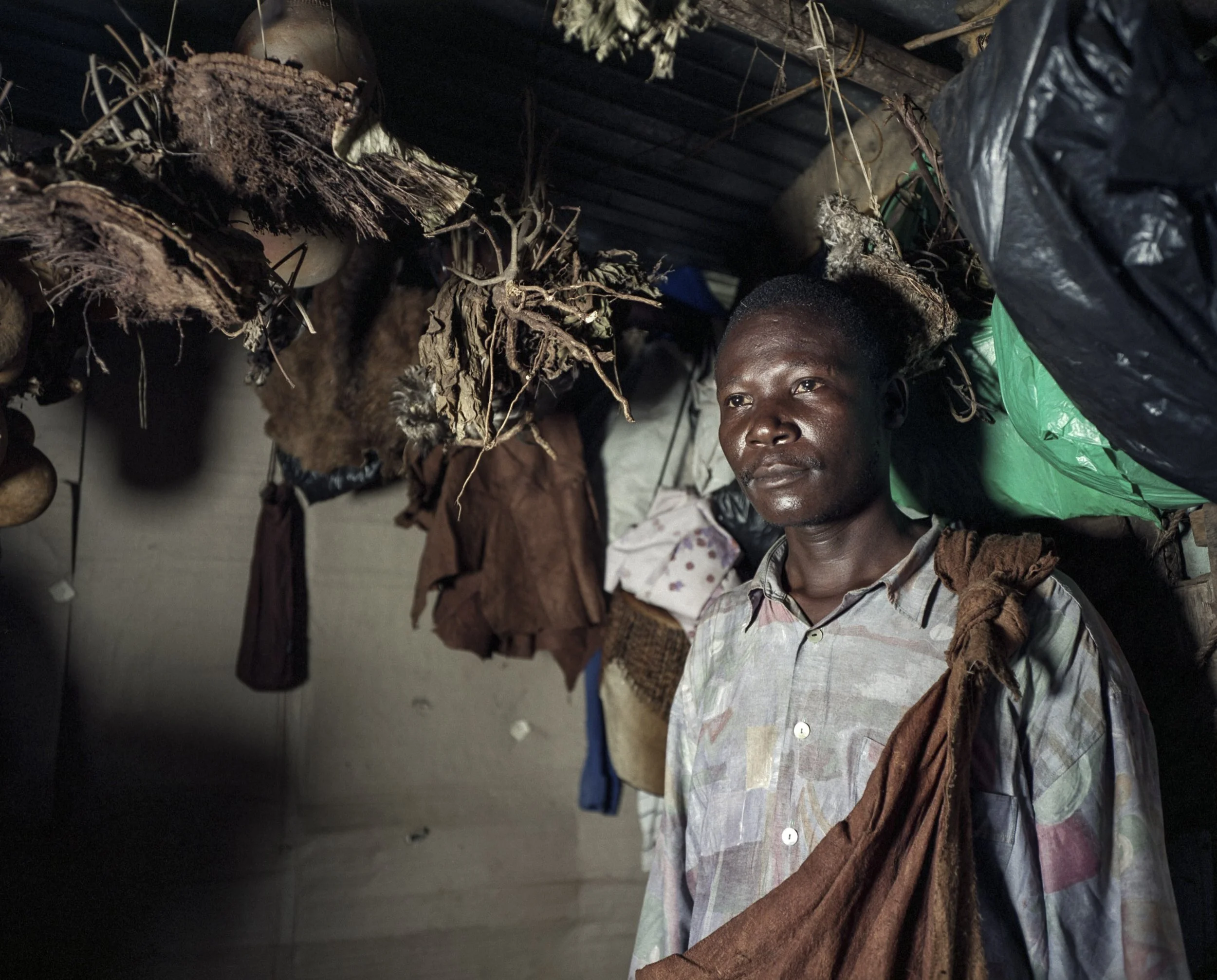
Photographs from left to right :
Isma Mukose (images 1, 2, 3 & 4)
Exterior of Sbalmgo Tenwa's Shrine (image 5)
Sbalmgo Tenwa (images 6, 7, 8, 9)
Kalegere Asinah Lukoowe (images 10 & 12)
Inside Kalegere Asinah Lukoowe's Shrine (image 11)
Lukaata Edward (images 13,14,15)
This portraiture series would not have been possible without the help of the wonderful people of HALEA (Humanist Association for Leadership, Equity and Accountability).
For more information about HALEA and ways to donate please visit
http://www.haleauganda.org